![Non US - Podiatry [SNAPSHOT]](https://images.leadconnectorhq.com/image/f_webp/q_80/r_1200/u_https://assets.cdn.filesafe.space/vY237fzF5RgGkX7Jmx1K/media/678a2d59a2e97341747f83ba.png )
Tips & Advice From Birtley Foot Clinic

Understanding Fungal Nail Treatment Options
Understanding Fungal Nail Treatment Options
Welcome to the Birtley Foot Clinic, your trusted podiatry provider in Birtley, Gateshead. Fungal nail infections, or onychomycosis, affect a significant number of individuals and can lead to discomfort, unsightly appearance, and potential complications if left untreated. This blog post delves into the causes, symptoms, and comprehensive treatment options available to effectively combat fungal nail infections.
What Causes Fungal Nail Infections?
Fungal nail infections are caused primarily by dermatophytes, a type of fungus that thrives in warm, moist environments. Other types of fungi, such as yeasts and molds, can also contribute to infections. Several factors increase your risk of developing a fungal nail infection, including:
- Diabetes or other underlying health conditions
- Weakened immune system
- Poor circulation
- Age (more common in older adults)
- Trauma to the nail
- Exposure to moist environments (swimming pools, gyms)
What are the Symptoms of Fungal Nail Infections?
Identifying a fungal nail infection early can prevent further complications. Common symptoms include:
- Discoloration of the nail (usually yellow, white, or brown)
- Thickening of the nail
- Crumbly or ragged nail edges
- Distortion of the nail shape
- Pain or discomfort in the affected toe or fingernail
How Can I Treat Fungal Nail Infections?
Fungal nail treatments vary in effectiveness depending on the severity of the infection. Here are the primary treatment options available:
Topical Antifungal Treatments
Over-the-counter and prescription topical treatments are commonly used for mild infections. These treatments include:
- Antifungal nail lacquers: These are applied directly to the nail and the surrounding skin.
- Topical creams or solutions: These may require consistent application over several weeks.
Oral Antifungal Medications
For moderate to severe fungal nail infections, oral antifungal medications may be recommended. Common options include:
- Terbinafine (Lamisil): Often prescribed for a treatment duration of 6 to 12 weeks.
- Itraconazole (Sporanox): Another effective option, also taken for several weeks.
These medications work by helping the new nail grow free from infection, slowly clearing up the infected nail.
Laser Therapy
Advancements in technology have introduced laser treatments as an option for fungal nail infections. Laser therapy targets the fungus without harming the surrounding tissue, showing promising results in clinical studies. Treatment typically requires multiple sessions.
Professional Nail Care
Podiatrists may also provide professional nail care to manage fungal infections effectively. This includes:
- Debridement: The removal of infected nail material to allow medications to penetrate the nail.
- Regular monitoring and follow-up care to assess treatment effectiveness.
Preventing Fungal Nail Infections
Preventing fungal nail infections is crucial, especially if you’ve had one before. Here are some practical tips:
- Keep your feet clean and dry.
- Wear moisture-wicking socks.
- Avoid walking barefoot in public places.
- Use antifungal powder in shoes if you’re prone to sweaty feet.
- Trim nails regularly and maintain good nail hygiene.
When to See a Podiatrist
If you suspect you have a fungal nail infection, it’s advisable to consult a podiatrist, such as those at the Birtley Foot Clinic. Early intervention can lead to more effective treatment and reduce the risk of complications.
FAQ: Frequently Asked Questions
1. How long does it take to treat a fungal nail infection?
Treatment duration varies; topical treatments may take several months, while oral medications generally require 6 to 12 weeks.
2. Can fungal nail infections reoccur?
Yes, fungal nail infections can reoccur, especially if preventive measures are not followed.
3. Are home remedies effective for fungal nail infections?
While some home remedies may provide temporary relief, they are not a substitute for professional treatment and may not be effective against severe infections.
4. How can I tell if my treatment is working?
Improvement in symptoms, including decreased pain, improved nail appearance, and growth of healthy nail tissue, indicates successful treatment.
5. Is it contagious?
Fungal nail infections are not directly contagious, but the fungi can spread in communal areas like pools and lockers. Proper hygiene practices can help prevent transmission.
At Birtley Foot Clinic in Birtley, Gateshead, we’re dedicated to providing tailored care for fungal nail infections and other foot-related conditions. If you're experiencing symptoms or have concerns, don’t hesitate to book an appointment with our qualified podiatrists.
Ready to take the first step towards healthier nails? Book your appointment today!

Ask Birtley Foot Clinic And Their Team
Fill in the form to request a call from our team. One of our team members will call you for FREE and answer any questions or concerns you may have about your condition
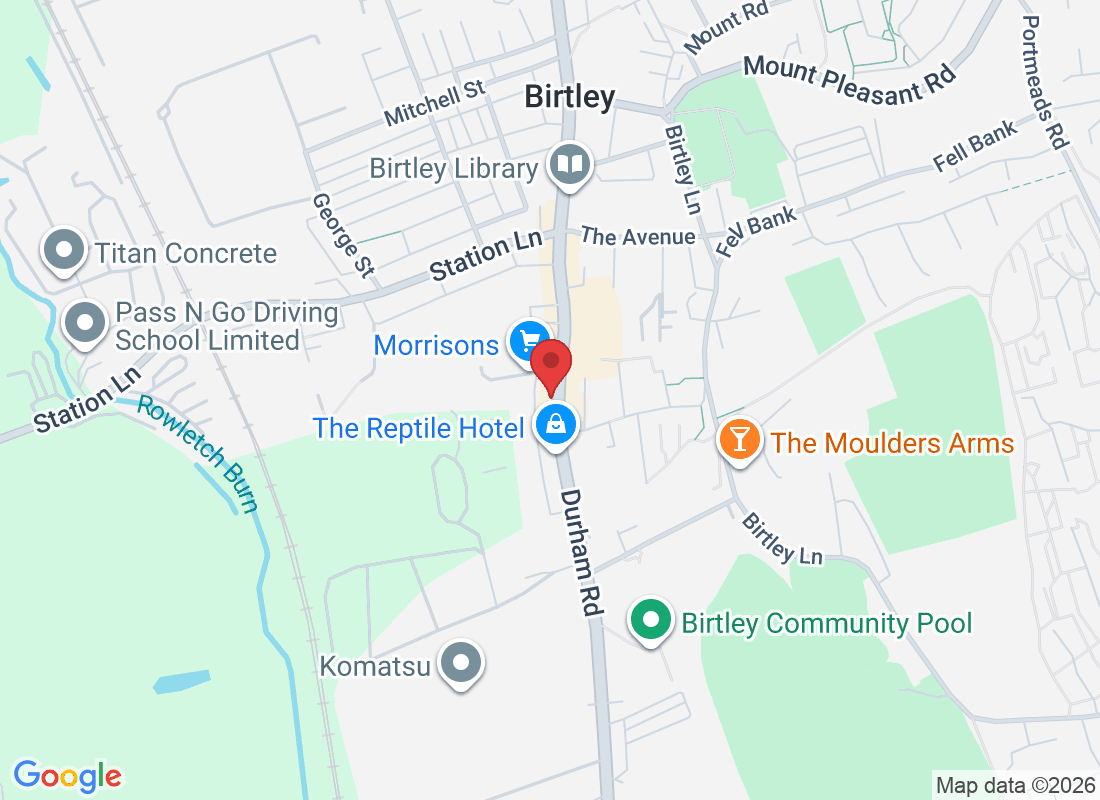
Where To Find Birtley Foot Clinic
If you have any questions before scheduling an appointment or for general inquiries, please use the contact us button below. Our team will promptly reach out to assist you.
Opening Hours
Monday: 09.00 - 17.00
Tuesday: 09.00 - 17.00
Wednesday: 09.00 - 17.00
Thursday: 09.00 - 17.00
Friday: 09.00 - 17.00
Saturday: 09.00 - 17.00
Sunday: Closed