Tips & Advice From Birtley Foot Clinic

Top 5 Mistakes People Make with Ingrown Toenails (Gateshead)
Understanding Ingrown Toenails
Ingrown toenails, or onychocryptosis, occur when the edge of a toenail grows into the surrounding skin, causing pain, redness, swelling, and sometimes infection. They are particularly common in the big toe and can be exacerbated by improper nail care, footwear choices, or underlying health conditions. At Birtley Foot Clinic in Birtley, Gateshead, we often see patients making certain mistakes that can worsen their condition. Here, we outline the top five mistakes people make with ingrown toenails and provide guidance on how to avoid them.
1. Ignoring Early Symptoms
The first mistake many individuals make is ignoring the early warning signs of an ingrown toenail. Symptoms such as mild discomfort, redness along the nail border, and minor swelling may seem insignificant but, if unaddressed, can lead to severe pain and infection.
- What to do: If you notice any early signs, seek advice from a podiatrist promptly. Early intervention can prevent complications.
2. Cutting Nails Incorrectly
Another common error is improper nail trimming techniques. Cutting nails too short or rounding the edges can contribute to the development of ingrown toenails. Ideally, toenails should be cut straight across and left slightly longer than the tip of the toe.
- Best practice: Use sanitized nail clippers and cut edges straight. Avoid tapering the corners, which may encourage the nail to grow into the skin.
3. Wearing Improper Footwear
Footwear plays a crucial role in foot health. Wearing tight shoes or socks can compress the toes and force the nails to grow into the skin. High heels and narrow-toed shoes are particularly problematic.
- Tips: Choose shoes that provide adequate room for your toes to breathe and move. Opt for footwear made of breathable materials and consider orthotic insoles if necessary.
4. Delaying Treatment for Infections
Untreated ingrown toenails can lead to infections, with symptoms including increased swelling, pus drainage, and severe pain. Some individuals attempt to drain the area themselves, which can worsen the condition and lead to further complications.
- Recommended action: Visit Birtley Foot Clinic as soon as an infection is suspected. Professional treatment may include drainage and antibiotics if necessary.
5. Self-Medicating Without Professional Guidance
Many people resort to over-the-counter treatments or home remedies without consulting a podiatrist. While some topical treatments may provide temporary relief, they often fail to address the underlying issue, potentially prolonging pain.
- Guidance: Always seek professional advice to create a tailored treatment plan. Clinicians can recommend appropriate therapies to alleviate symptoms and prevent recurrence.
What Causes Ingrown Toenails?
Several factors may contribute to the development of ingrown toenails, including:
- Genetic predisposition
- Improper nail trimming techniques
- Wear and tear from certain activities
- Improper footwear choices
How Can I Treat an Ingrown Toenail at Home?
If you suspect you have an ingrown toenail, immediate care can reduce discomfort. Here are some steps to take while you await a professional consultation:
- Soak your foot in warm water mixed with Epsom salt to reduce swelling.
- Wear open-toed shoes or sandals to minimize pressure on the toe.
- Apply topical antibiotic ointment if there are any open wounds.
When Should I See a Podiatrist?
If self-care measures do not yield improvement or if signs of infection develop, it is crucial to consult with a podiatrist. Early intervention is key to preventing complications.
FAQ
1. Can ingrown toenails go away on their own?
Ingrown toenails can sometimes resolve without treatment, but they are likely to recur. Professional evaluation is advised for effective management.
2. What are the signs of an infected ingrown toenail?
Increased redness, swelling, warmth around the toe, pus drainage, and severe pain are all signs of an infection. If these occur, seek medical care immediately.
3. How can I prevent ingrown toenails from recurring?
Proper nail trimming, choosing the right footwear, and maintaining foot hygiene are essential in preventing future ingrown toenails.
4. Are there any risks associated with ingrown toenail surgery?
Like any surgical procedure, there are risks involved. However, with a qualified podiatrist, complications are rare. Discuss any concerns during your consultation.
5. Is it safe to remove an ingrown toenail at home?
Attempting to remove an ingrown toenail at home can lead to further complications, including severe infection. It is always best to seek professional help.
Conclusion
Ingrown toenails may seem like a minor issue, but they can lead to significant discomfort and complications if not addressed properly. At Birtley Foot Clinic in Birtley, Gateshead, we are here to provide expert care for your foot health. If you are experiencing the pain of an ingrown toenail, do not hesitate to book an appointment today and regain your comfort!

Ask Birtley Foot Clinic And Their Team
Fill in the form to request a call from our team. One of our team members will call you for FREE and answer any questions or concerns you may have about your condition
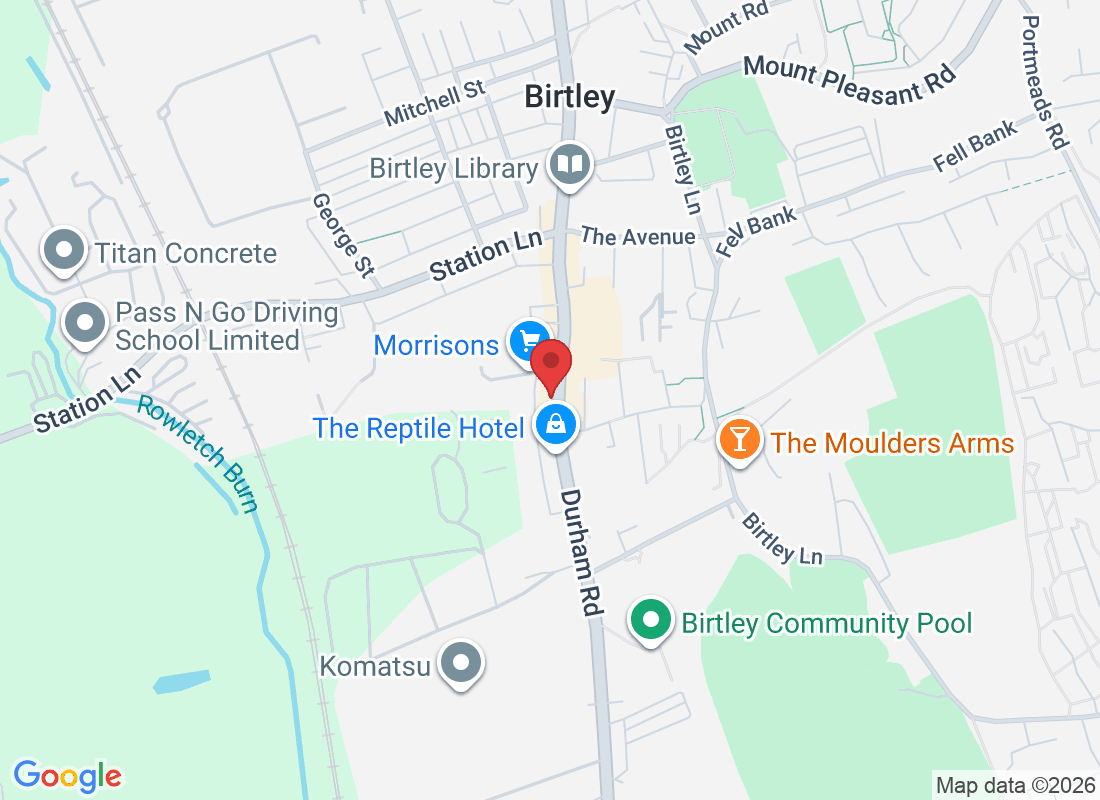
Where To Find Birtley Foot Clinic
If you have any questions before scheduling an appointment or for general inquiries, please use the contact us button below. Our team will promptly reach out to assist you.
Opening Hours
Monday: 09.00 - 17.00
Tuesday: 09.00 - 17.00
Wednesday: 09.00 - 17.00
Thursday: 09.00 - 17.00
Friday: 09.00 - 17.00
Saturday: 09.00 - 17.00
Sunday: Closed