![Non US - Podiatry [SNAPSHOT]](https://images.leadconnectorhq.com/image/f_webp/q_80/r_1200/u_https://assets.cdn.filesafe.space/vY237fzF5RgGkX7Jmx1K/media/678a2d59a2e97341747f83ba.png )
Tips & Advice From Birtley Foot Clinic

The Truth About Corns and Calluses You Should Know
The Truth About Corns and Calluses You Should Know
At Birtley Foot Clinic located in Birtley, Gateshead, we often see patients puzzled about the differences between corns and calluses. While both are common foot issues caused by pressure and friction, understanding their unique characteristics is crucial for appropriate treatment. In this blog post, we will explore the causes, symptoms, treatment options, and prevention strategies for corns and calluses, providing you with the comprehensive information you need for healthier feet.
What Are Corns and Calluses?
Corns and calluses are thickened areas of skin that develop in response to repeated friction and pressure. While they serve the purpose of protecting underlying tissues, they can become painful if not addressed properly.
Corns
Corns are small, cone-shaped areas of thickened skin that usually develop on the tops and sides of toes. They often have a hard center surrounded by inflamed skin. Corns are typically caused by:
- Improperly fitting shoes
- High-heeled footwear
- Toe deformities such as hammertoes
Calluses
Calluses are broader, flatter areas of thickened skin found on the soles of the feet or palms. They develop gradually through prolonged pressure or friction, commonly resulting from:
- Walking barefoot
- Improper footwear
- Repetitive movements, such as in sports
What Causes Corns and Calluses?
The primary cause of both corns and calluses is sustained pressure and friction on the skin. Factors that can contribute to their development include:
- Footwear: Poorly fitting shoes can lead to increased pressure on specific areas of the foot.
- Foot Structure: Conditions such as flat feet, high arches, or bunions can cause abnormal weight distribution.
- Activity Level: Individuals engaging in activities that put stress on the feet may be more susceptible.
- Foot Conditions: Certain conditions like diabetes or neuropathy may also affect skin integrity and lead to corn and callus formation.
How Can I Treat Corns and Calluses?
Effective treatment of corns and calluses involves identifying the underlying causes and addressing them. Here are some of the most common treatment options:
Home Treatment
- Soaking and Exfoliating: Soak your feet in warm water to soften the skin, then gently exfoliate with a pumice stone.
- Moisturizing: Use a thick moisturizer to keep the skin hydrated and reduce the thickness of corns and calluses.
- Cushioning Pads: Use over-the-counter pads to relieve pressure on corns and calluses.
Professional Treatment
If home remedies do not provide relief, consider seeking help from a podiatrist at Birtley Foot Clinic. We offer:
- Debridement: A painless procedure to remove the thickened skin.
- Custom Orthotics: Inserts that correct foot mechanics and redistribute pressure.
- Shoe Fitting Advice: Recommendations for appropriate footwear to prevent recurrence.
How Can I Prevent Corns and Calluses?
Preventing corns and calluses involves taking proactive measures to reduce friction and pressure on your feet:
- Wear Proper Footwear: Choose shoes that fit well and provide adequate support.
- Regular Foot Care: Keep your feet clean, exfoliated, and moisturized to maintain skin integrity.
- Stay Active: Regular foot exercises can help maintain strength and flexibility.
When Should I See a Podiatrist?
If you notice signs of infection, persistent pain, or if your corns/calluses do not improve with home care, seek professional advice. Particularly, individuals with diabetes or circulatory problems should consult a clinician with foot-related concerns.
FAQ
1. Are corns and calluses the same thing?
No, while both are thickened skin due to pressure and friction, corns are generally smaller and have a hard center, whereas calluses are larger and flatter.
2. Can corns and calluses be painful?
Yes, both can cause discomfort and pain, especially if they develop on bony areas and are subjected to constant pressure.
3. Is it safe to remove corns and calluses at home?
While some home remedies can be effective, improper removal can lead to infections. It’s best to consult a podiatrist for safe treatment options.
4. Can corns and calluses come back after treatment?
Yes, if the underlying causes are not addressed, corns and calluses may recur. Proper footwear and foot care can help prevent this.
5. What foot conditions can increase my risk of corns and calluses?
Conditions such as bunions, hammertoes, flat feet, and diabetes significantly increase the likelihood of developing corns and calluses.
Conclusion
Corns and calluses may seem like minor inconveniences, but understanding their causes and pursuing effective treatment and prevention is key for maintaining foot health. If you're experiencing any issues or have further questions regarding corns and calluses, don't hesitate to reach out to us at Birtley Foot Clinic in Birtley, Gateshead. Our knowledgeable team is ready to help you find relief. To book an appointment, please visit our online booking page.

Ask Birtley Foot Clinic And Their Team
Fill in the form to request a call from our team. One of our team members will call you for FREE and answer any questions or concerns you may have about your condition
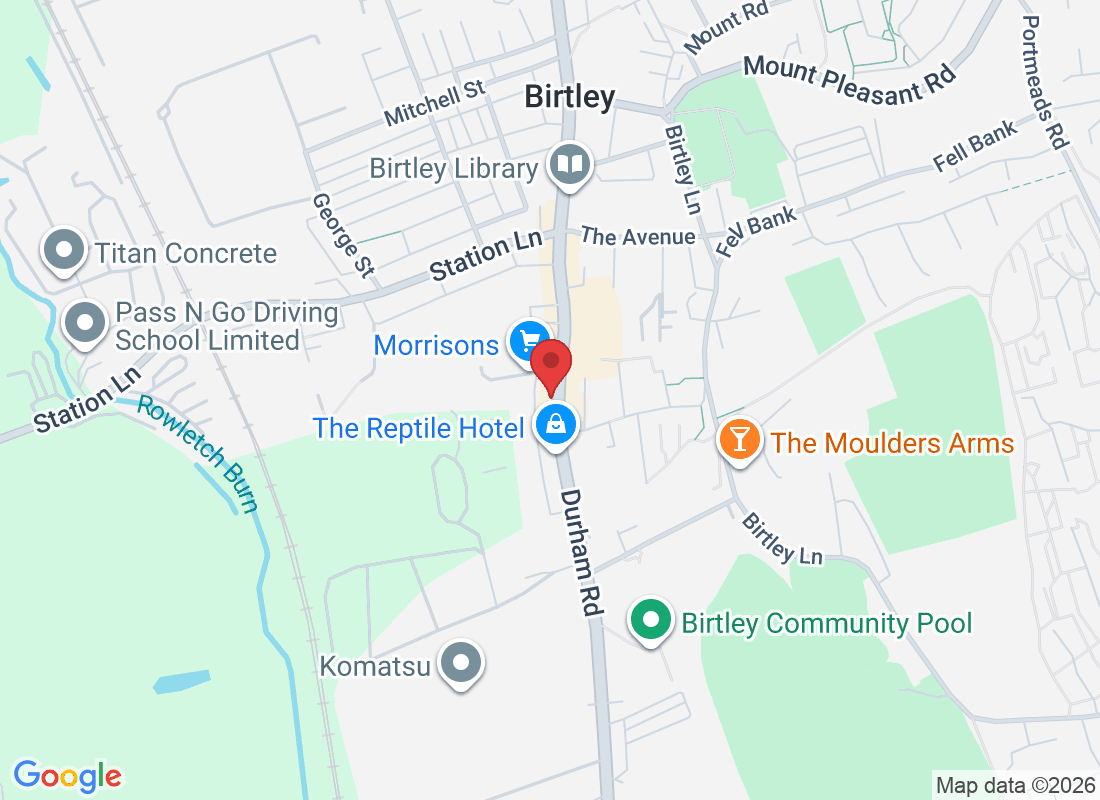
Where To Find Birtley Foot Clinic
If you have any questions before scheduling an appointment or for general inquiries, please use the contact us button below. Our team will promptly reach out to assist you.
Opening Hours
Monday: 09.00 - 17.00
Tuesday: 09.00 - 17.00
Wednesday: 09.00 - 17.00
Thursday: 09.00 - 17.00
Friday: 09.00 - 17.00
Saturday: 09.00 - 17.00
Sunday: Closed