Tips & Advice From Birtley Foot Clinic
Why Do My Feet Feel Like I'm Walking on Stones?
Introduction
If you've been experiencing discomfort and a sensation that feels like you're walking on stones, you're not alone. Many patients at Birtley Foot Clinic, located in Birtley, Gateshead, report similar symptoms. This peculiar sensation can be frustrating and may stem from various underlying foot conditions. Understanding the causes and potential treatments is crucial in alleviating this discomfort and improving your quality of life.
What Causes the Sensation of Walking on Stones?
The feeling of walking on stones can be attributed to several factors, primarily related to the mechanics and health of your feet. Here are some common causes:
- Plantar Fasciitis: This condition involves inflammation of the plantar fascia, the tissue connecting your heel to the front of your foot. It can cause sharp, stabbing pain, particularly in the morning or after prolonged sitting.
- Neuropathy: Peripheral neuropathy results from nerve damage, often due to diabetes or other underlying conditions. It can lead to unusual sensations, including tingling or a "walking on stones" feeling.
- Metatarsalgia: This condition refers to pain and inflammation in the ball of your foot, which can feel like walking on marbles or stones. It may result from excessive pressure on the metatarsal bones.
- Morton's Neuroma: This benign growth of nerve tissue can develop between the toes, often causing a burning or sharp pain that may feel like walking on small rocks.
- Flat Feet: Individuals with flat feet may have an altered foot structure that leads to discomfort and abnormal walking patterns, creating a sensation of uneven surfaces underfoot.
How Can I Treat the Sensation of Walking on Stones?
Addressing this discomfort often involves a multi-faceted approach tailored to the underlying cause. Here are some effective treatment options:
- Footwear Modifications: Invest in supportive shoes with proper arch support. Avoid high heels and shoes with inadequate cushioning.
- Orthotic Inserts: Custom-made orthotics can redistribute pressure and provide additional support to alleviate discomfort.
- Physical Therapy: A physiotherapist can guide exercises and stretches to improve foot mechanics and reduce pain.
- Corticosteroid Injections: In cases of severe inflammation, injections may provide immediate relief from pain and swelling.
- Medication: Over-the-counter nonsteroidal anti-inflammatory drugs (NSAIDs) can help manage pain and inflammation.
What Home Remedies Can Help Alleviate Pain?
In addition to medical treatments, several home remedies may provide relief:
- Soaking Feet: Soaking your feet in warm water mixed with Epsom salts can help soothe inflammation and relax the muscles.
- Ice Packs: Applying ice to the affected area for 15-20 minutes can help reduce swelling and numb pain.
- Massage: Gently massaging your feet can improve blood circulation and reduce tension in the muscles.
- Elevation: When resting, elevate your feet to reduce swelling.
When Should I See a Podiatrist?
While minor discomfort may resolve with home care, it’s essential to seek professional help if:
- The pain persists for more than a few days.
- You experience swelling, bruising, or increased warmth in the affected area.
- The sensation worsens or is accompanied by other symptoms, such as numbness or tingling in the toes.
Frequently Asked Questions (FAQ)
1. Can walking on hard surfaces contribute to this sensation?
Yes, walking on hard surfaces can exacerbate foot pain by increasing pressure on the metatarsals and other foot structures. Proper cushioning in footwear can help mitigate this issue.
2. Are there specific exercises to relieve this sensation?
Stretching exercises targeting the calves and plantar fascia, as well as strengthening exercises for the intrinsic muscles of the foot, can help alleviate discomfort.
3. Is this sensation linked to diabetes?
Yes, diabetic neuropathy can lead to unusual sensations in the feet, including a "walking on stones" feeling. Regular foot examinations are crucial for diabetic patients.
4. Do I need an MRI to diagnose the problem?
An MRI may be necessary for a detailed view of soft tissues and bones, but a thorough clinical examination by a podiatrist can often determine the underlying cause effectively.
5. Can custom orthotics really make a difference?
Yes, custom orthotics can significantly improve foot mechanics, redistribute pressure, and provide cushioning, leading to a reduction in uncomfortable symptoms.
Conclusion
If you’re experiencing the uncomfortable sensation of walking on stones, seeking expert advice is crucial. At Birtley Foot Clinic in Birtley, Gateshead, our team of podiatry specialists is dedicated to diagnosing and treating your foot pain effectively. Don’t let foot discomfort hinder your daily activities. Book your appointment today and take the first step toward healthier, pain-free feet!

Ask Birtley Foot Clinic And Their Team
Fill in the form to request a call from our team. One of our team members will call you for FREE and answer any questions or concerns you may have about your condition
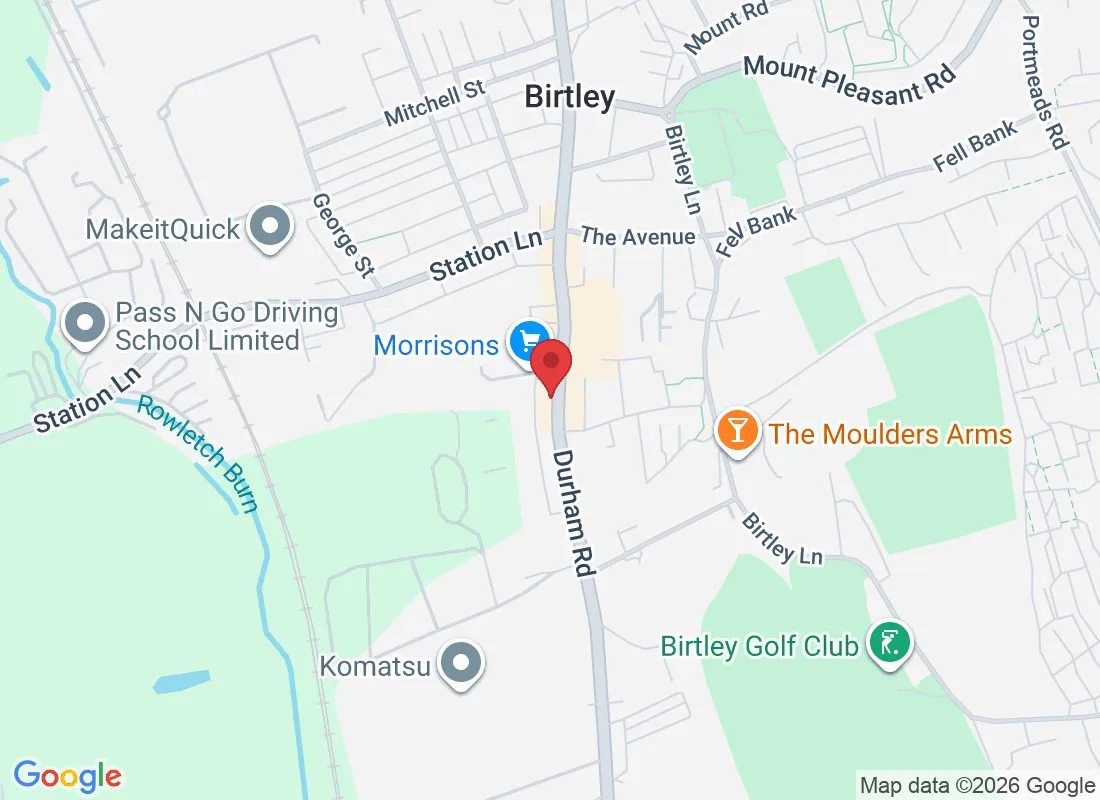
Where To Find Birtley Foot Clinic
If you have any questions before scheduling an appointment or for general inquiries, please use the contact us button below. Our team will promptly reach out to assist you.
Opening Hours
Monday: 09.00 - 17.00
Tuesday: 09.00 - 17.00
Wednesday: 09.00 - 17.00
Thursday: 09.00 - 17.00
Friday: 09.00 - 17.00
Saturday: 09.00 - 17.00
Sunday: Closed