Tips & Advice From Birtley Foot Clinic

Laser, Cream or Surgery? Fungal Nail Treatment in Birtley
Introduction
Fungal nail infections, medically known as onychomycosis, are a common issue that many people face. At Birtley Foot Clinic in Birtley, Gateshead, we understand the discomfort and embarrassment that can accompany this condition. With various treatment options available, including laser therapy, topical antifungal creams, and surgical interventions, it can be challenging to determine the best course of action. This article will help you navigate your options and provide evidence-based insights into fungal nail treatment.
What Causes Fungal Nail Infections?
Fungal nail infections are primarily caused by dermatophytes, a type of fungus that thrives in warm, moist environments. Key factors contributing to fungal nail infections include:
- Moisture: Prolonged exposure to damp conditions can promote fungal growth.
- Trauma: Injury to the nail can compromise its integrity, making it more susceptible to infection.
- Footwear: Tight shoes and synthetic materials can trap moisture and heat.
- Weakened Immune System: Those with diabetes or weakened immune function are at higher risk.
How Can I Recognize a Fungal Nail Infection?
Identifying a fungal nail infection is critical for timely treatment. Common signs and symptoms include:
- Discoloration of the nail (often yellow, brown, or white).
- Thickening of the nail plate.
- Fragility and crumbling of the nail.
- Separation of the nail from the nail bed.
- Unexpected odor from the infected nail.
What Are the Treatment Options for Fungal Nail Infections?
When it comes to treating fungal nails, several options are available. The choice of treatment often depends on the severity of the infection and patient preferences.
Laser Therapy
Laser treatment is a non-invasive option that targets the fungus directly without damaging surrounding tissue. The procedure involves the use of a focused beam of light that penetrates the nail plate to eradicate the fungal elements.
- Pros: Minimal discomfort, quick recovery, and no systemic side effects.
- Cons: Multiple sessions may be required, and not all patients achieve complete eradication.
Topical Antifungal Creams
Topical treatments involve applying antifungal creams or lacquers directly to the affected nail. These products typically contain active ingredients such as terbinafine or amorolfine.
- Pros: Convenient and less invasive than surgical options.
- Cons: Efficacy can be limited, especially for severe infections; full nail regrowth requires commitment and regular application.
Surgery
In more persistent or extensive cases, surgical intervention may be required. The procedure can involve partial or complete nail removal to eliminate the affected area entirely.
- Pros: Provides immediate improvement, with a potential cure for severe cases.
- Cons: It carries inherent risks such as infection and takes longer to heal compared to other options.
How Can I Prevent Fungal Nail Infections?
Prevention is critical to avoiding fungal nail infections. Some effective strategies include:
- Keep your feet clean and dry.
- Wear breathable footwear.
- Practice good nail hygiene.
- Avoid communal showers or wet areas without footwear.
- Use antifungal powder in moist environments.
Frequently Asked Questions (FAQ)
1. How long does fungal nail treatment take?
The duration of treatment varies based on the method chosen. Laser treatments may require several sessions, while topical creams can take several months to be effective.
2. Will my nails grow back normally after treatment?
In most cases, nails will grow back normally, but this can depend on the severity of the infection and adherence to treatment.
3. Are there any side effects to laser treatment?
Laser treatment is generally well tolerated, with few side effects. Some patients may experience mild discomfort or redness.
4. Can I treat fungal nails at home?
While there are home remedies and over-the-counter products available, consulting a professional for persistent infections is often more effective.
5. When should I see a podiatrist?
If the infection worsens or does not respond to OTC treatments within a few weeks, it's advisable to seek professional care.
Conclusion
When battling fungal nail infections, understanding your treatment options is crucial. At Birtley Foot Clinic in Birtley, Gateshead, our experienced podiatrists are dedicated to providing personalized care tailored to your specific needs. Whether you choose laser therapy, topical treatments, or surgical options, our team is here to support you every step of the way. Don’t let fungal nails affect your quality of life. Book an appointment today and take the first step towards healthier feet!

Ask Birtley Foot Clinic And Their Team
Fill in the form to request a call from our team. One of our team members will call you for FREE and answer any questions or concerns you may have about your condition
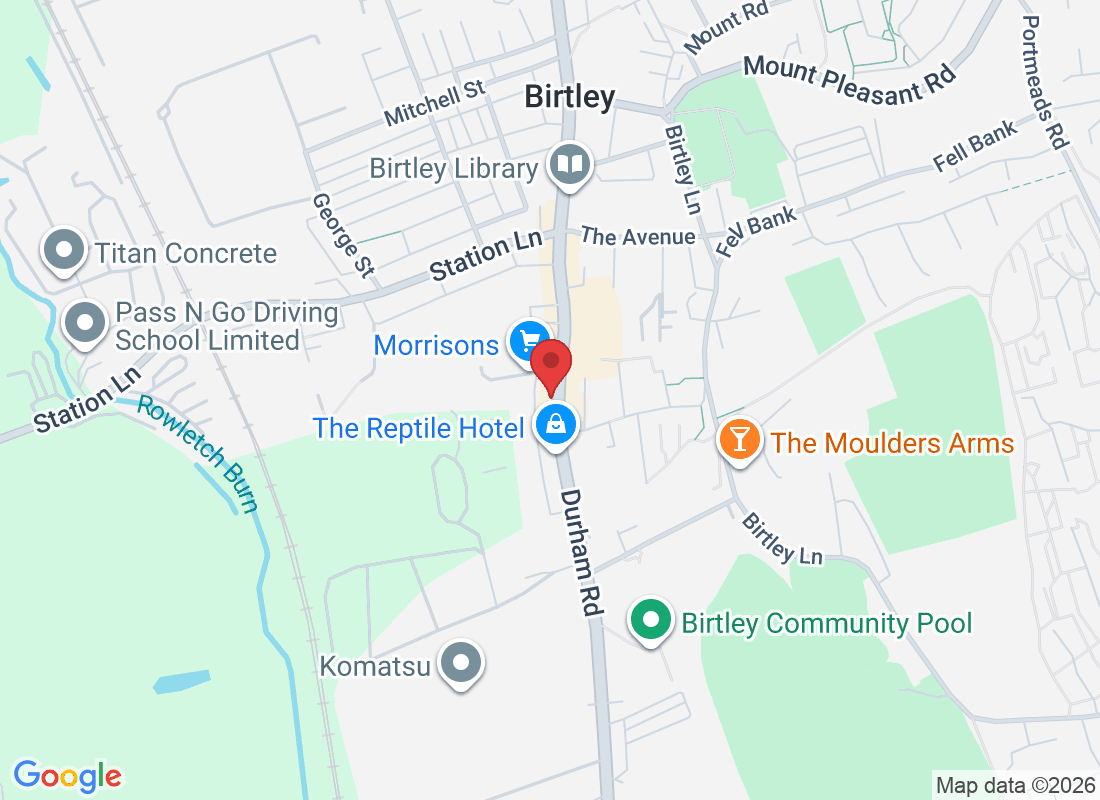
Where To Find Birtley Foot Clinic
If you have any questions before scheduling an appointment or for general inquiries, please use the contact us button below. Our team will promptly reach out to assist you.
Opening Hours
Monday: 09.00 - 17.00
Tuesday: 09.00 - 17.00
Wednesday: 09.00 - 17.00
Thursday: 09.00 - 17.00
Friday: 09.00 - 17.00
Saturday: 09.00 - 17.00
Sunday: Closed