![Non US - Podiatry [SNAPSHOT]](https://images.leadconnectorhq.com/image/f_webp/q_80/r_1200/u_https://assets.cdn.filesafe.space/vY237fzF5RgGkX7Jmx1K/media/678a2d59a2e97341747f83ba.png )
Tips & Advice From Birtley Foot Clinic

Heel Pain in the Morning? Here’s What It Means
Understanding Heel Pain in the Morning
Welcome to Birtley Foot Clinic in Birtley, Gateshead. If you’ve been waking up with heel pain, you’re not alone. Many people experience discomfort in their heels, especially in the morning or after periods of inactivity. Understanding the underlying causes and treatment options is essential for managing this condition effectively.
What Causes Heel Pain in the Morning?
Heel pain can stem from various conditions, but most commonly, it is associated with:
- Plantar Fasciitis: This is the most common cause of heel pain, characterized by inflammation of the plantar fascia, a thick band of tissue running across the bottom of your foot.
- Achilles Tendinitis: Inflammation of the Achilles tendon can lead to pain at the back of the heel, often exacerbated in the morning.
- Bursitis: Inflammation of the bursa (fluid-filled sacs) can also contribute to heel pain, particularly in the larger heel bursa.
- Bone Spurs: Over time, prolonged pressure or strain can lead to bone spurs, which are bony protrusions that may irritate surrounding tissues.
- Stress Fractures: Small cracks in the heel bone, often due to overuse or increased physical activity, can cause significant pain, especially after resting.
Why Does Heel Pain Occur in the Morning?
Many individuals notice that their heel pain is particularly severe in the morning. This phenomenon often occurs for several reasons:
- The plantar fascia tightens while you sleep. When you take your first steps in the morning, the sudden stretch can cause pain.
- Fluid buildup in the foot during the night can result in inflammation that becomes apparent when you start moving.
- Nighttime activities or postures can exacerbate existing conditions, leading to increased pain upon rising.
What Are the Symptoms of Heel Pain?
Common symptoms of heel pain include:
- Dull ache or sharp pain in the heel area, especially in the morning.
- Stiffness, particularly after resting or getting out of bed.
- Swelling or tenderness around the heel.
- Increased discomfort after prolonged standing or physical activity.
How is Heel Pain Diagnosed?
At Birtley Foot Clinic, our podiatrists will conduct a comprehensive evaluation, which may include:
- A thorough medical history review.
- A physical examination of the foot and ankle.
- X-rays or other imaging tests to rule out fractures or other issues if required.
How Can I Treat Heel Pain?
Effective treatment for heel pain usually involves a combination of methods tailored to the specific condition. Some common strategies include:
- Rest: Taking breaks from activities that put stress on the heel is crucial for recovery.
- Ice Therapy: Applying ice to the heel for 15-20 minutes can reduce inflammation and pain.
- Footwear: Using supportive shoes with cushioning and proper arch support can alleviate stress on the heel.
- Orthotics: Custom orthotic devices can help correct biomechanical issues.
- Physical Therapy: Exercises to stretch and strengthen the foot and ankle can be beneficial.
- Medications: Over-the-counter anti-inflammatory medications can provide temporary relief.
- Injection Therapy: In some cases, corticosteroid injections may be recommended to reduce inflammation.
When Should I See a Doctor?
If your heel pain persists for more than a few weeks, worsens, or interferes with your daily activities, it’s essential to seek professional help. Early intervention can prevent more severe complications and speed up your recovery.
Frequently Asked Questions (FAQ)
1. What are common risk factors for heel pain?
Common risk factors include obesity, high-impact sports, improper footwear, and certain foot structures (e.g., flat feet or high arches).
2. Can heel pain be prevented?
To prevent heel pain, maintain a healthy weight, choose appropriate footwear, and incorporate stretching and strengthening exercises into your routine.
3. Is surgery necessary for heel pain?
Most cases of heel pain can be managed conservatively. Surgery is typically considered only when non-invasive treatments fail after a significant period.
4. How long will it take for heel pain to heal?
Heel pain recovery times vary based on the underlying cause and treatment method but can range from a few weeks to several months.
5. What should I do if I experience heel pain during exercise?
If you experience heel pain during exercise, stop the activity immediately and consult a podiatrist for an evaluation.
Contact Birtley Foot Clinic Today
If you are experiencing heel pain in the morning, don’t let it disrupt your daily life. Our experienced team at Birtley Foot Clinic in Birtley, Gateshead, is here to help you understand your symptoms and find effective treatment options. Book an appointment today!

Ask Birtley Foot Clinic And Their Team
Fill in the form to request a call from our team. One of our team members will call you for FREE and answer any questions or concerns you may have about your condition
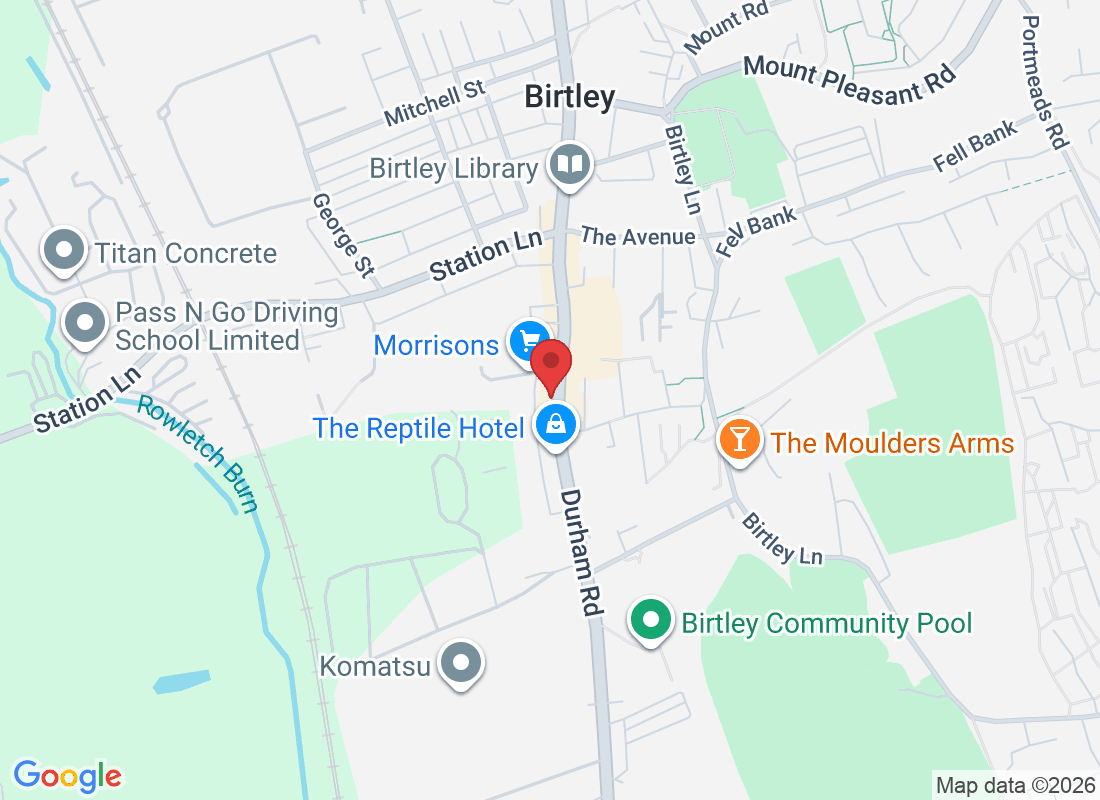
Where To Find Birtley Foot Clinic
If you have any questions before scheduling an appointment or for general inquiries, please use the contact us button below. Our team will promptly reach out to assist you.
Opening Hours
Monday: 09.00 - 17.00
Tuesday: 09.00 - 17.00
Wednesday: 09.00 - 17.00
Thursday: 09.00 - 17.00
Friday: 09.00 - 17.00
Saturday: 09.00 - 17.00
Sunday: Closed