Tips & Advice From Birtley Foot Clinic

Fungal Nail Infections: Treatment Options in Gateshead
Fungal Nail Infections: Treatment Options in Gateshead
Fungal nail infections, also known as onychomycosis, are a common condition that affects many individuals, causing discomfort and aesthetic concerns. At Birtley Foot Clinic in Birtley, Gateshead, we specialize in diagnosing and treating this condition effectively. In this article, we will explore the causes, symptoms, and a range of treatment options available to help you achieve healthier nails.
What Causes Fungal Nail Infections?
Fungal nail infections typically stem from a group of fungi called dermatophytes, which thrive in warm, moist environments. Common causes include:
- Trauma to the Nail: Injury or trauma can create an entry point for fungi.
- Pre-existing Skin Conditions: Conditions like athlete's foot increase the risk of nail infection.
- Poor Hygiene: Inadequate foot care can contribute to fungal growth.
- Shared Spaces: Public areas such as swimming pools and showers are hotspots for fungal transmission.
What Are the Symptoms of Fungal Nail Infections?
Identifying a fungal nail infection early is crucial for effective treatment. Symptoms may include:
- Discoloration of the nail (yellow, brown or white)
- Thickening of the nail
- Deformation or crumbling of the nail
- Foul Odour: A persistent unpleasant smell may be apparent.
- Pain or discomfort, especially when pressure is applied
How Can I Treat Fungal Nail Infections?
There are several treatment options available for fungal nail infections, tailored to the severity of the condition and the patient's overall health:
1. Topical Antifungal Treatments
For mild cases, antifungal nail lacquers or creams can be effective. These products are applied directly to the affected nail and surrounding skin to eliminate the fungal infection. Some popular topical treatments include:
- Amorolfine: A lacquer that penetrates the nail to fight fungi.
- Clotrimazole: Creams that can alleviate symptoms and fight fungus.
2. Oral Antifungal Medications
For more severe or persistent infections, oral antifungals may be prescribed. These medications help to clear the infection from within the body. Commonly prescribed oral treatments include:
- Terbinafine: An effective treatment that targets the infection effectively.
- Itraconazole: Another antifungal that can be beneficial for resistant infections.
It is important to note that oral medications may require monitoring due to potential side effects.
3. Laser Therapy
The use of laser therapy in treating fungal nail infections has gained popularity. This non-invasive treatment uses targeted light to eliminate fungal cells without damaging surrounding tissues. It is a promising option for those who prefer to avoid medications.
4. Surgical Procedure
In extreme cases where the nail is severely affected and causing persistent pain, a surgical procedure to remove part or all of the nail may be necessary. This allows for direct treatment of the nail bed and promotes the growth of a healthy nail.
How Can I Prevent Fungal Nail Infections?
Prevention is key to avoiding fungal nail infections. Here are some practical tips:
- Maintain Hygiene: Keep feet clean and dry, and regularly trim nails.
- Avoid Shared Facilities: Wear flip-flops in communal showers and swimming pools.
- Choose Appropriate Footwear: Opt for breathable shoes and moisture-wicking socks.
- Limit Nail Polish: Allow nails to breathe by limiting the use of nail varnish.
FAQ: Frequently Asked Questions
1. How long does treatment for fungal nail infections take?
Treatment duration varies, but it typically takes several weeks to months, depending on the severity and the treatment method utilized.
2. Are fungal nail infections contagious?
Yes, fungal nail infections can be contagious. They can spread through direct contact or shared surfaces.
3. Can I wear nail polish while treating a fungal nail infection?
It’s advisable to avoid nail polish until the infection clears, as it can trap moisture and exacerbate the condition.
4. How do I know if I have a fungal nail infection?
Signs include nail discoloration, thickening, and potential pain. If you suspect an infection, consult a podiatrist for an accurate diagnosis.
5. When should I see a podiatrist for a fungal nail infection?
If you experience persistent symptoms, worsening conditions, or if the infection is causing significant discomfort, it's crucial to seek professional evaluation and treatment.
Conclusion
Fungal nail infections can be effectively managed with appropriate treatment and preventive measures. If you are experiencing symptoms, don't hesitate to seek help from our dedicated team at Birtley Foot Clinic in Birtley, Gateshead. We are committed to providing personalized care to help you restore the health of your nails. Book your appointment today!

Ask Birtley Foot Clinic And Their Team
Fill in the form to request a call from our team. One of our team members will call you for FREE and answer any questions or concerns you may have about your condition
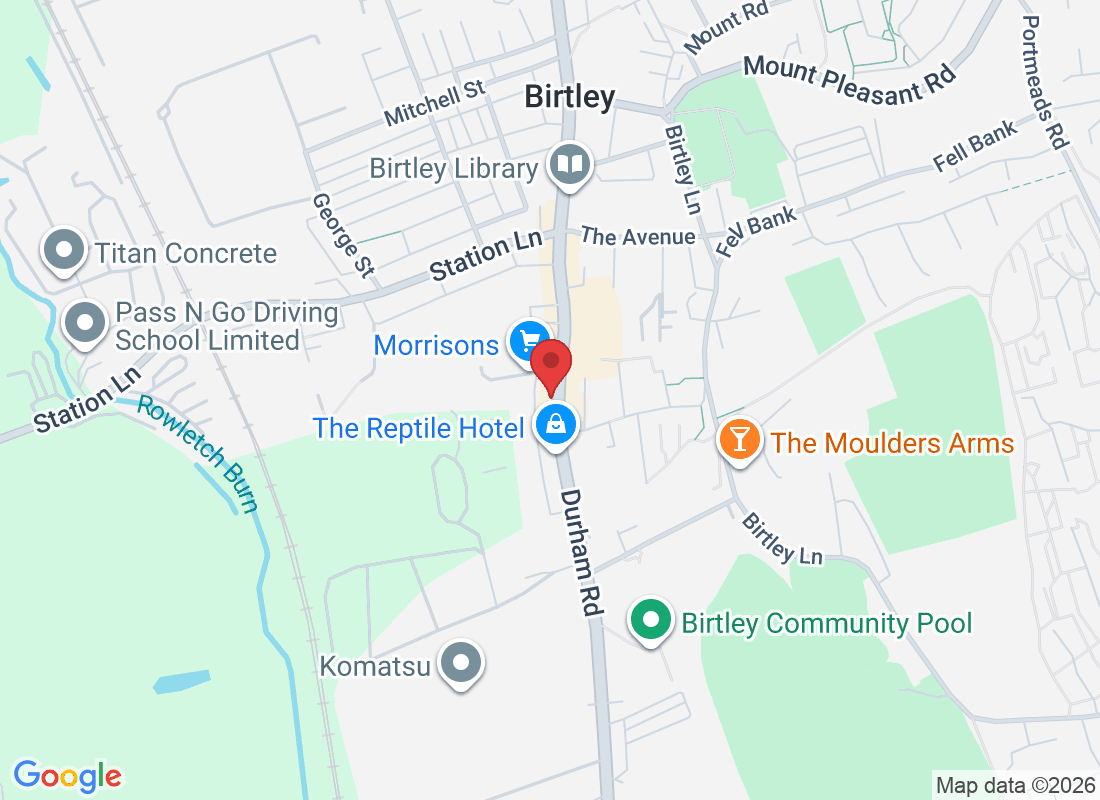
Where To Find Birtley Foot Clinic
If you have any questions before scheduling an appointment or for general inquiries, please use the contact us button below. Our team will promptly reach out to assist you.
Opening Hours
Monday: 09.00 - 17.00
Tuesday: 09.00 - 17.00
Wednesday: 09.00 - 17.00
Thursday: 09.00 - 17.00
Friday: 09.00 - 17.00
Saturday: 09.00 - 17.00
Sunday: Closed