Tips & Advice From Birtley Foot Clinic

What Causes Ingrown Toenails? Birtley Podiatrist Explains
Introduction to Ingrown Toenails
If you’re experiencing discomfort in your toes, particularly around the nails, you might be suffering from an ingrown toenail. At Birtley Foot Clinic in Birtley, Gateshead, our expert podiatrists are here to explain what causes ingrown toenails, their symptoms, and effective treatment options.
What Causes Ingrown Toenails?
Ingrown toenails, or onychocryptosis, occur when the edges of the toenail grow into the surrounding skin. This condition is commonly observed in the big toe but can affect any toe. Understanding the causes can help prevent this painful issue.
Genetic Predisposition
Some individuals are genetically predisposed to have naturally curved nails, making them more likely to develop ingrown toenails. If you have a family history of this condition, you may need to take extra precautions.
Poor Nail Trimming Practices
Improper nail trimming can lead to ingrown toenails. Cutting nails too short or rounding the corners increases the risk of the nail growing into the skin. It's important to cut nails straight across rather than at an angle.
Footwear Issues
Wearing tight or ill-fitting shoes can contribute to ingrown toenails. Shoes that squeeze the toes or create pressure can cause the nail to dig into the surrounding skin. Opt for shoes with ample toe space to reduce this risk.
Injury or Trauma
Traumatic injuries to the toes, such as stubbing your toe, can alter the nail's growth direction. Consistent trauma from activities like running or intense workouts can also lead to this problem.
Medical Conditions
Certain medical conditions can make you more susceptible to ingrown toenails. Conditions such as diabetes, fungal infections, and psoriasis can affect nail health and growth patterns. Regular foot care is essential for individuals with these conditions.
What Are the Symptoms of Ingrown Toenails?
Recognizing the symptoms early can help you manage ingrown toenails more effectively. Common symptoms include:
- Pain and tenderness along one or both sides of the toe
- Swelling around the nail
- Redness in the skin surrounding the toenail
- Infection that may produce pus or drainage
- Difficulty wearing shoes due to discomfort
How Can I Treat an Ingrown Toenail?
There are several treatment options available to alleviate the discomfort caused by ingrown toenails. Here are some common methods:
Home Care
For mild cases, home treatment may suffice:
- Soak the foot in warm, soapy water to reduce swelling and relieve pain.
- Apply an antibiotic ointment to prevent infection.
- Wear open-toed shoes or sandals to avoid further irritation.
Professional Treatment
If home remedies do not provide relief, or if the condition worsens, it is advisable to consult a podiatrist. At Birtley Foot Clinic, our expert podiatrists may recommend:
- Partial nail removal: A procedure to remove the affected portion of the nail.
- Matrixectomy: A procedure that permanently removes the nail matrix to prevent regrowth of the ingrown portion.
- Antibiotics for infection: If an infection is present, our podiatrists may prescribe antibiotics.
When Should I See a Podiatrist?
It's essential to seek medical advice if you experience:
- Severe pain that does not improve with home care.
- Signs of infection, including increased redness, swelling, and pus production.
- Recurring issues with ingrown toenails.
- Pre-existing health conditions that complicate foot problems, such as diabetes.
Frequently Asked Questions (FAQ)
1. Are ingrown toenails hereditary?
Yes, ingrown toenails can run in families. If your parents had this issue, you might be at a higher risk as well.
2. Can ingrown toenails affect other toes?
While ingrown toenails typically affect the big toe, they can occur on any toe. One affected toe may cause discomfort in adjacent toes due to altered walking patterns.
3. What can I do to prevent ingrown toenails?
To prevent ingrown toenails, practice proper nail trimming, wear well-fitting shoes, and maintain good foot hygiene.
4. Can I treat an ingrown toenail myself?
For mild cases, self-treatment may be effective. However, if symptoms worsen or do not improve, consult a podiatrist.
5. How long does it take for an ingrown toenail to heal?
Healing time varies based on severity. Mild cases may improve in a few days, while more serious conditions may require longer treatment.
Conclusion
Ingrown toenails can be a painful and recurring issue, but understanding their causes and treatment options can make a significant difference. If you're experiencing symptoms of an ingrown toenail, don’t hesitate to visit Birtley Foot Clinic in Birtley, Gateshead. Our skilled podiatrists are dedicated to providing effective solutions tailored to your needs.
Book an appointment today and take the first step towards healthier feet!

Ask Birtley Foot Clinic And Their Team
Fill in the form to request a call from our team. One of our team members will call you for FREE and answer any questions or concerns you may have about your condition
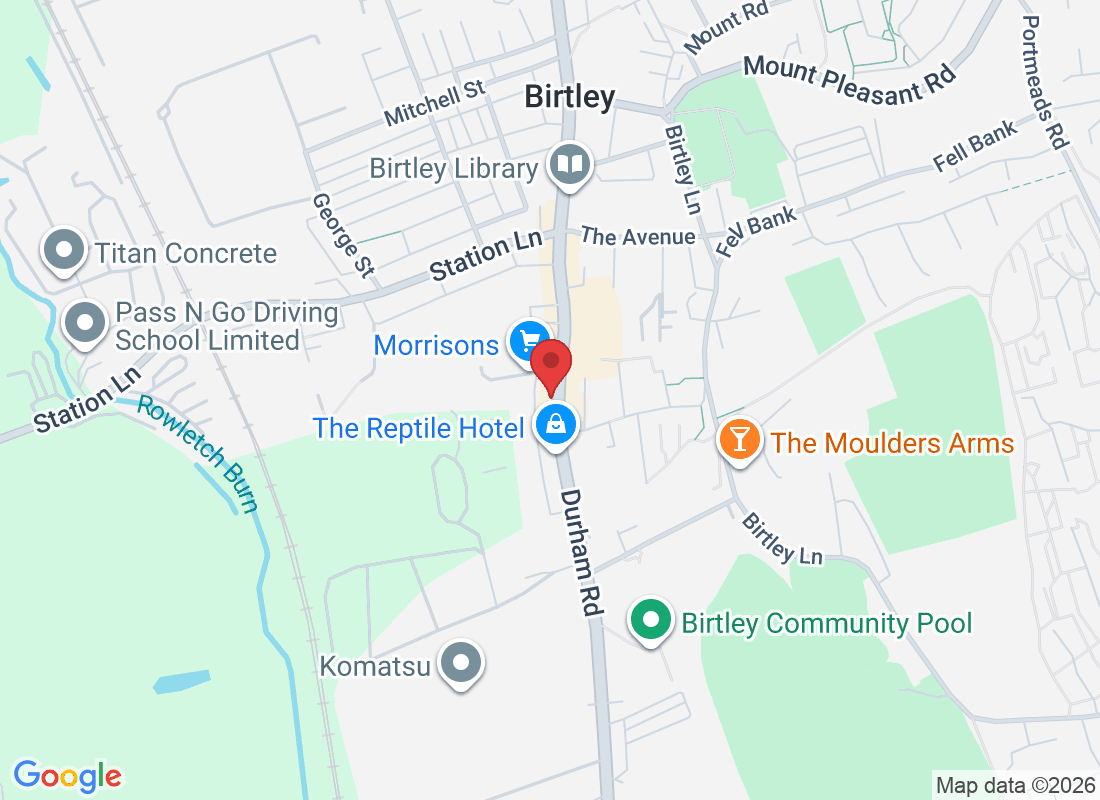
Where To Find Birtley Foot Clinic
If you have any questions before scheduling an appointment or for general inquiries, please use the contact us button below. Our team will promptly reach out to assist you.
Opening Hours
Monday: 09.00 - 17.00
Tuesday: 09.00 - 17.00
Wednesday: 09.00 - 17.00
Thursday: 09.00 - 17.00
Friday: 09.00 - 17.00
Saturday: 09.00 - 17.00
Sunday: Closed