
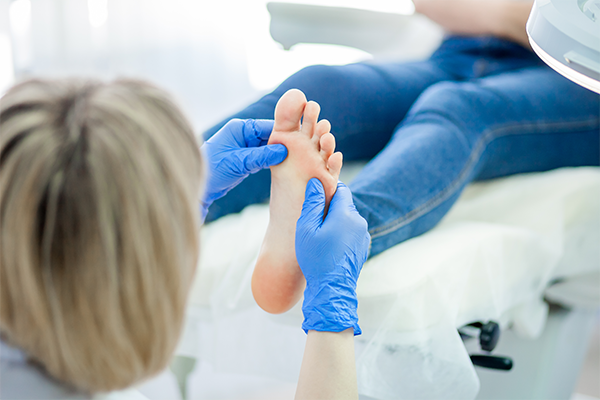
Why Foot Health Should Never Be Ignored
Introduction
Your foot health is crucial to overall well-being, yet it is often overlooked. At Birtley Foot Clinic in Birtley, Gateshead, we understand that feet are the foundation of your mobility and quality of life. Ignoring foot health can lead to serious complications affecting not only your feet but also your entire body. This blog will delve into the importance of foot health, common foot conditions, and how to maintain healthy feet.
Why is Foot Health Important?
Foot health plays a significant role in your day-to-day activities and mobility. Proper foot mechanics are essential for good posture, balance, and overall physical function. When foot problems arise, they can impact not just your feet, but other areas, including your knees, hips, and back.
What Causes Foot Problems?
Several factors can contribute to foot problems, including:
- Improper footwear: Wearing shoes that lack support or do not fit properly can lead to conditions like bunions, plantar fasciitis, and corns.
- Injury: Sports injuries or accidents can cause fractures or sprains in the feet and ankles.
- Age: As we age, our ligaments lose elasticity, and other structural changes can lead to foot conditions.
- Medical conditions: Diabetes, arthritis, and poor circulation can cause various foot issues, from neuropathy to infections.
What Common Foot Conditions Should You Be Aware Of?
Several common foot conditions can affect your daily life:
- Plantar Fasciitis: Characterized by heel pain, this condition is often caused by inflammation of the plantar fascia, the tissue connecting the heel to the toes.
- Flat Feet: Also known as fallen arches, flat feet can lead to foot pain and discomfort, particularly during physical activities.
- Bunions: A bunion is a bony bump at the base of the big toe that can cause pain and difficulty walking.
- Fungal Infections: Conditions like athlete’s foot and nail fungus are common and can be uncomfortable and unsightly.
- Diabetic Neuropathy: Diabetes can lead to nerve damage in the feet, resulting in loss of sensation, making injuries more likely.
How Can I Treat Foot Problems?
Treatment for foot issues varies based on the condition but can include:
- Rest and Ice: Reducing activity and applying ice can alleviate pain and swelling from injuries.
- Orthotics: Custom foot orthotics can provide support and alleviate discomfort from conditions like flat feet and plantar fasciitis.
- Physical Therapy: Exercises can improve strength and flexibility in the feet and ankles.
- Medications: Anti-inflammatory medications can help manage pain and reduce inflammation.
- Surgery: In severe cases, surgical intervention may be necessary to correct structural issues or remove painful bunions.
How Can I Maintain Healthy Feet?
Preventative care is vital for maintaining foot health:
- Wear Proper Footwear: Choose shoes that provide adequate support and fit well.
- Practice Good Hygiene: Keep feet clean and dry to prevent fungal infections.
- Moisturize: Regularly moisturize your feet to prevent dry, cracked skin.
- Stay Active: Regular exercise improves circulation and strengthens foot muscles.
- Regular Check-ups: Schedule routine visits with a podiatrist to catch any potential issues early.
When Should I See a Podiatrist?
You should consult a podiatrist if you experience:
- Persistent pain in your feet or ankles
- Swelling that doesn't subside
- Changes in the shape of your feet or toes
- Signs of infection, such as redness, warmth, or pus
- Difficulty walking or standing
Frequently Asked Questions (FAQ)
1. How often should I see a podiatrist?
It’s advisable to have a foot health check at least once a year, or more frequently if you have existing foot conditions or diabetes.
2. What are the signs that I may have a serious foot problem?
Be alert for persistent pain, swelling, numbness, skin changes, or difficulty in walking. These symptoms warrant immediate attention.
3. Can I treat foot problems at home?
Minor issues like blisters or calluses can often be treated at home, but serious conditions such as fractures or infections require professional evaluation.
4. What types of shoes are best for foot health?
Look for shoes that provide good arch support, cushioning, and a proper fit. Avoid high heels and overly tight shoes.
5. Are foot problems common in older adults?
Yes, foot problems are more prevalent in older adults due to natural wear and tear, decreased circulation, and other age-related factors.
Conclusion
Ignoring foot health can have far-reaching effects on your overall well-being. At Birtley Foot Clinic in Birtley, Gateshead, we are dedicated to providing comprehensive foot care to help you maintain optimal health. Don't let foot issues hold you back—take the first step towards better foot health today. Book your appointment now.