Why Do My Feet Feel Cold All the Time?
Introduction
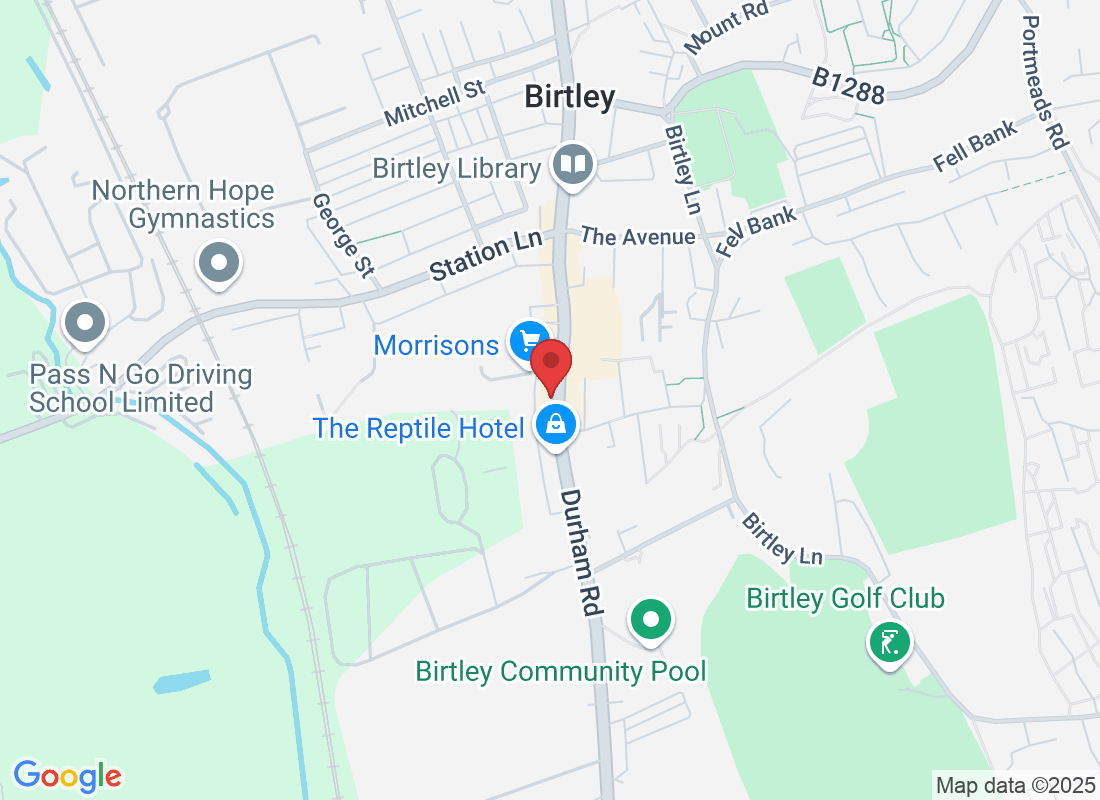
Do you often find yourself wondering, "Why do my feet feel cold all the time?" This common issue can lead to discomfort and concern. At Birtley Foot Clinic in Birtley, Gateshead, we understand that cold feet can be a sign of underlying health conditions. In this article, we'll explore the reasons behind persistent coldness in the feet, potential treatments, and when to seek medical advice.
What Causes Cold Feet?
Cold feet can occur due to various factors, ranging from lifestyle choices to medical conditions. Understanding these can help you address your concerns effectively.
- Poor Circulation: Conditions like peripheral artery disease (PAD) can restrict blood flow to the extremities, causing cold feet.
- Diabetes: Diabetic neuropathy can affect nerves in the feet, leading to temperature regulation issues.
- Nerve Damage: Peripheral neuropathy — caused by various factors such as vitamin deficiencies, alcoholism, or chemotherapy — can lead to decreased sensation and coldness in the feet.
- Anxiety and Stress: These can trigger the body’s fight-or-flight response, redirecting blood away from the extremities and making your feet feel colder.
- Raynaud's Phenomenon: This condition causes blood vessels to constrict excessively in response to cold or stress, resulting in cold and sometimes discolored toes and fingers.
- Hypothyroidism: An underactive thyroid can lower metabolism, slowing down blood circulation and resulting in cold extremities.
How Can I Treat Cold Feet?
Treating cold feet often involves addressing the underlying cause. Here are several strategies to consider:
- Improve Circulation: Regular exercise and activities such as walking, swimming, or cycling can improve blood flow throughout the body.
- Warm Clothing: Wearing appropriate footwear and socks made of wool or thermal materials can help keep your feet warm.
- Manage Diabetes: Keeping blood glucose levels within the target range can help prevent complications such as neuropathy.
- Reduce Anxiety: Practicing relaxation techniques such as yoga or meditation can help alleviate stress responses.
- Consult a Specialist: If cold feet persist, it may be wise to schedule an appointment with a podiatrist who can perform a thorough assessment and recommend tailored treatments.
When Should I Seek Medical Help?
If you experience additional symptoms alongside cold feet, it’s essential to consult a healthcare professional immediately. Symptoms to be aware of include:
- Severe pain or cramping in the legs
- Numbness or tingling sensations
- Ulcers or sores on the feet
- Coldness in one foot only
- A change in skin color (e.g., blue or pale) in the feet or toes
These symptoms may indicate more serious conditions such as vascular diseases or complications related to diabetes. At Birtley Foot Clinic, we are equipped to provide comprehensive evaluations and treatments to help manage your symptoms effectively.
What are the Common Treatments Available?
Here are some common treatment approaches we might recommend for managing cold feet:
- Medication: Depending on the cause, certain medications can improve circulation or manage blood sugar levels.
- Physical Therapy: A structured exercise program can also aid in blood flow and nerve health.
- Custom Orthotics: Specially designed insoles can help improve foot alignment and comfort, contributing to better blood circulation.
- Supplementation: Vitamins such as B12 and D may be beneficial if deficiencies are detected.
Frequently Asked Questions (FAQ)
1. Why do my feet feel cold even in warm weather?
Cold feet in warm weather can be attributed to poor circulation, anxiety, or a condition like Raynaud's phenomenon. If the issue persists, consult a healthcare professional.
2. Can certain shoes cause cold feet?
Yes, poorly fitting or inadequate footwear that lacks insulation can restrict circulation, leading to cold feet.
3. Are there home remedies for cold feet?
Yes, soaking your feet in warm water, using heating pads, and keeping your feet covered can help. However, persistent coldness should be evaluated by a medical professional.
4. Can cold feet be a sign of serious health issues?
Yes, consistent cold feet can indicate serious conditions like peripheral artery disease or diabetes complications, warranting medical attention.
5. How can I prevent cold feet?
Preventive measures include maintaining a healthy lifestyle, ensuring proper hydration, wearing warm socks, and managing chronic conditions like diabetes.
Conclusion
Caring for your feet is essential for your overall health. If you frequently experience cold feet, don't hesitate to seek professional help. At Birtley Foot Clinic in Birtley, Gateshead, our team is dedicated to helping you discover the underlying causes and providing effective treatments for your condition.
For more information or to book an appointment, please visit our booking page.