
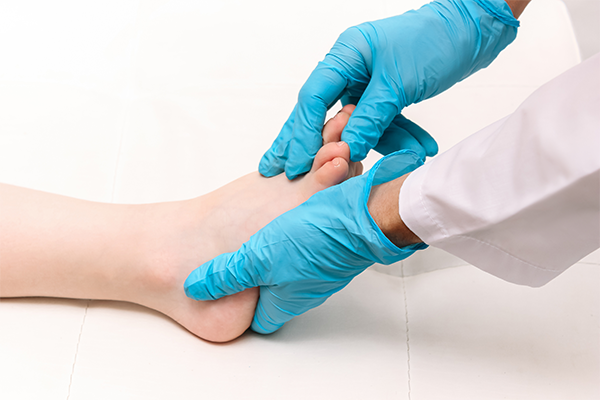
Why Diabetics in Birtley Should Never Skip a Foot Check
Understanding the Importance of Foot Checks for Diabetics in Birtley
Diabetes is a chronic condition that can lead to various complications if not effectively managed. One critical yet often overlooked aspect of diabetes care is regular foot checks. For residents of Birtley and the surrounding Gateshead area, visiting the Birtley Foot Clinic should be a priority, especially for those living with diabetes. This article will explore why diabetics should never skip foot checks and how they can safeguard their foot health.
What Causes Foot Problems in Diabetics?
Diabetes can lead to several foot complications primarily due to neuropathy (nerve damage) and poor circulation. Here are specific conditions that may arise:
- Diabetic Neuropathy: High blood sugar levels can damage nerves, particularly those in the feet, leading to numbness, tingling, or pain.
- Peripheral Artery Disease (PAD): Reduced blood flow to the feet can cause wounds to heal slowly, increasing the risk of infections.
- Foot Ulcers: Diabetic foot ulcers are open sores that occur due to prolonged pressure or injury, compounded by neuropathy.
- Infections: Due to nerve damage and poor blood supply, minor cuts can escalate into serious infections.
How Can Foot Checks Prevent Complications?
Regular foot checks can significantly reduce the risk of severe complications associated with diabetes. Here’s how:
- Early Detection: Regular examinations by a qualified podiatrist can identify issues such as ulcers or infections before they become severe.
- Professional Care: Podiatrists at the Birtley Foot Clinic can provide expert assessments, ensuring prompt and appropriate care.
- Education: Understanding proper foot hygiene and care can prevent injuries and infections from occurring.
What Should a Foot Check Involve?
A comprehensive foot check generally includes:
- Visual Inspection: Checking for any abnormalities, such as cracks, redness, or swelling.
- Neurological Assessment: Tests to assess sensation in the feet using tools like monofilaments or tuning forks.
- Vascular Assessment: Evaluating blood flow using techniques such as Doppler ultrasound.
- Patient Education: Discussing proper foot care practices, including the importance of choosing suitable footwear.
How Often Should Diabetics Get a Foot Check?
Diabetics should ideally have a foot check at least once a year. However, depending on individual risk factors—such as a history of foot ulcers, neuropathy, or peripheral artery disease—more frequent visits may be warranted. It is vital to consult a healthcare provider to customize a plan suited to your health needs.
What Are the Signs That You Need Urgent Care?
Monitoring your feet between regular check-ups is essential. If you notice any of the following symptoms, seek urgent care:
- Redness or swelling
- Pain that persists or worsens
- New or worsening numbness
- Open sores or ulcers
- Discoloration (especially black or blue areas, which may indicate poor blood flow)
How Can I Treat Common Foot Issues at Home?
While professional care is paramount, practicing good foot hygiene at home can alleviate minor issues:
- Daily Inspection: Examine your feet daily for any cuts, blisters, or unusual color changes.
- Moisturize: Use moisturizer to prevent dry skin, but avoid putting lotion between the toes.
- Proper Footwear: Choose well-fitting shoes that provide adequate support and cushioning.
- Keep Feet Clean: Wash your feet daily and dry them thoroughly, especially between the toes.
FAQs About Foot Health for Diabetics
1. Why do diabetics have an increased risk of foot problems?
Diabetics are at higher risk due to nerve damage, poor circulation, and a reduced ability for wounds to heal.
2. How can I monitor my blood sugar to protect my feet?
Monitoring blood sugar levels regularly and keeping them under control can prevent complications affecting foot health.
3. Are foot checks painful?
No, foot checks are generally painless. Most assessments involve visual inspections and simple tests.
4. Can I manage foot problems on my own?
While minor issues can often be managed at home, it's essential to consult a podiatrist for any serious concerns.
5. How do I book an appointment at the Birtley Foot Clinic?
You can easily book an appointment through our online system or by calling our clinic directly.
Conclusion
For diabetics in Birtley and Gateshead, maintaining proper foot health is crucial in preventing serious complications. Regular foot checks at the Birtley Foot Clinic can make a significant difference in the quality of life and overall health. Don’t wait—schedule your foot check today and take the first step toward safeguarding your feet!