
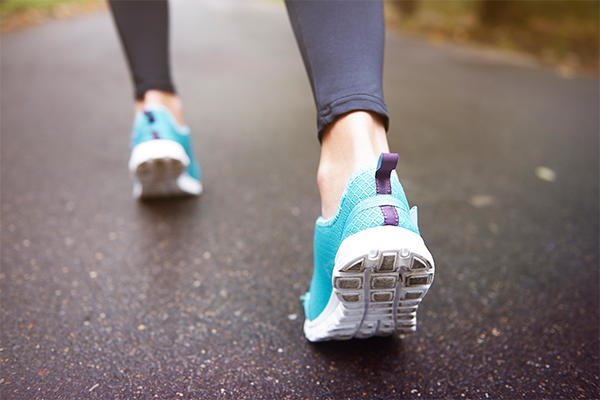
The Best Ways to Support Your Feet Daily
Introduction
Your feet are one of the most important body parts, as they bear your entire weight and allow you to perform daily activities. At Birtley Foot Clinic in Birtley, Gateshead, we believe that understanding how to support your feet daily can significantly improve your overall foot health and prevent common podiatric problems. This guide will cover the best practices to keep your feet healthy, strong, and pain-free.
What Causes Foot Problems?
Foot conditions can arise from various factors, including:
- Improper Footwear: Shoes that do not fit correctly or provide inadequate support can lead to blisters, bunions, or plantar fasciitis.
- Overuse: Activities that put excessive stress on your feet, such as running or standing for long periods, can cause injuries.
- Medical Conditions: Conditions like diabetes, arthritis, and obesity can adversely affect foot health.
- Biomechanical Issues: Abnormal foot mechanics, such as flat feet or high arches, can lead to pain and discomfort.
How Can I Treat Common Foot Conditions?
Treating foot conditions effectively often involves a combination of home care and professional guidance. Here are some treatment options:
- Rest and Ice: Give your feet a break and apply ice packs to reduce swelling.
- Pain relief: Over-the-counter pain relievers like ibuprofen can help alleviate pain and inflammation.
- Proper Footwear: Invest in well-fitted shoes with adequate arch support to prevent and treat conditions like plantar fasciitis.
- Orthotics: Custom orthotics can help improve foot mechanics and provide relief from various foot conditions.
- Physical Therapy: Exercises recommended by a podiatrist can strengthen foot muscles and improve flexibility.
What Are The Best Practices for Daily Foot Care?
Supporting your feet daily requires consistent and thoughtful effort. Here are some best practices:
- Maintain Hygiene: Wash your feet daily and dry them thoroughly, especially between the toes, to prevent fungal infections.
- Moisturize: Apply moisturizer to keep the skin on your feet hydrated, but avoid putting it between your toes.
- Wear Supportive Shoes: Choose shoes that fit correctly and provide proper support for your activities.
- Stretch Regularly: Incorporate foot and calf stretches into your routine to maintain flexibility and strength.
- Examine Your Feet: Regularly check your feet for any changes or abnormalities, such as discoloration, swelling, or cuts.
How Does Nutrition Influence Foot Health?
Nutrition plays a pivotal role in overall health, including foot health. A balanced diet rich in vitamins and minerals can help strengthen bones and joints. Here are some dietary recommendations:
- Calcium and Vitamin D: Important for bone health. Found in dairy products, leafy greens, and fatty fish.
- Omega-3 Fatty Acids: Help reduce inflammation. Found in fish, flaxseeds, and walnuts.
- Hydration: Drink plenty of water to maintain proper circulation and joint lubrication.
- Antioxidants: Fruits and vegetables can help reduce oxidative stress on your body.
What Should I Do If I Have Foot Pain?
If you're experiencing persistent foot pain, it's essential to take it seriously:
- Monitor Symptoms: Note the duration, intensity, and specific locations of the pain.
- Modify Activities: Reduce or avoid activities that exacerbate the pain.
- Consult a Podiatrist: Schedule an appointment at Birtley Foot Clinic for a comprehensive evaluation and tailored treatment plan.
FAQ
1. How often should I replace my shoes?
It’s generally recommended to replace athletic shoes every 300-500 miles, or when you notice significant wear and tear.
2. What are the signs of a serious foot condition?
Signs include severe pain, persistent swelling, wounds that do not heal, or any color changes in the foot.
3. Can foot problems be hereditary?
Yes, many foot conditions, such as bunions and flat feet, can have a genetic component.
4. Is it okay to walk barefoot?
Walking barefoot can be beneficial in controlled environments. However, avoid abrasive surfaces and always assess your surroundings.
5. How can I prevent blisters?
To prevent blisters, wear moisture-wicking socks, choose well-fitting shoes, and avoid new shoes for long walks.
Conclusion
Supporting your feet daily is crucial for maintaining optimal foot health and overall well-being. By implementing proper care practices, making informed choices about footwear, and attending regular check-ups at Birtley Foot Clinic in Birtley, Gateshead, you can enjoy pain-free mobility and a higher quality of life. If you have concerns about your foot health, don’t hesitate to book an appointment today.