
Verruca Treatment in Birtley: What Actually Works?
Understanding Verrucas: Causes and Risk Factors
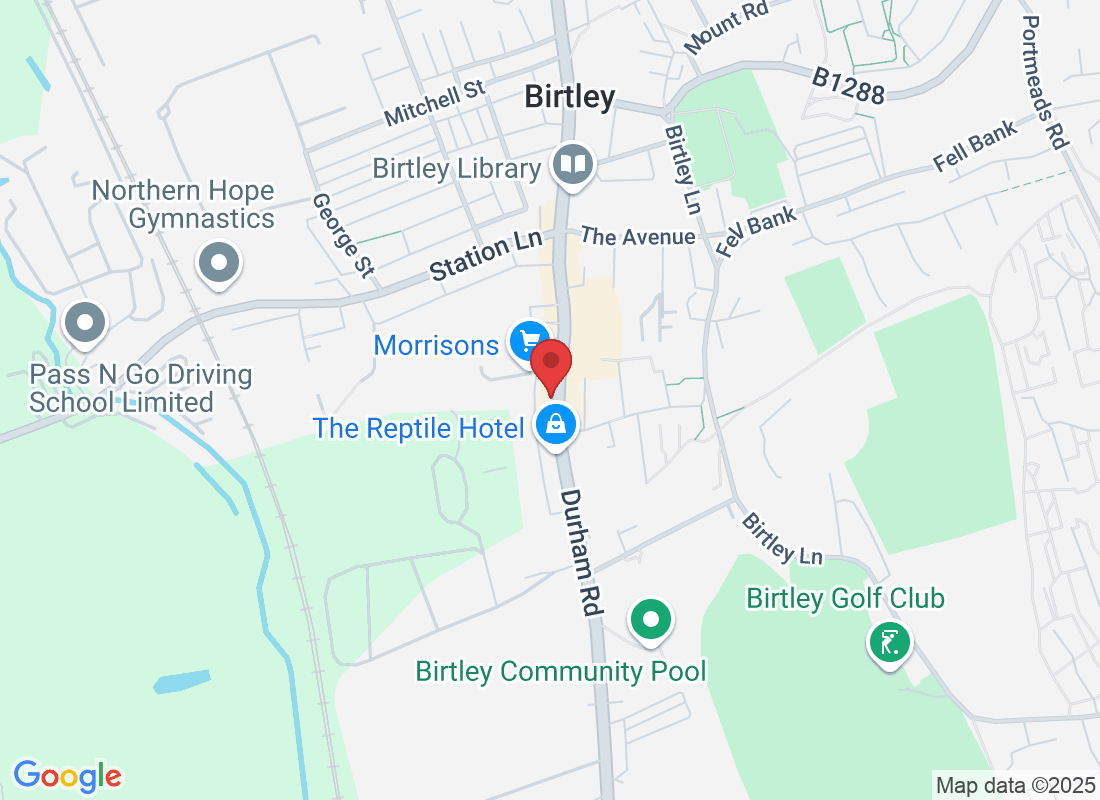
Verrucas, commonly known as plantar warts, are benign skin growths caused by the human papillomavirus (HPV). These warts occur on the soles of the feet and can be both painful and uncomfortable. They are more frequent in children and adolescents but can affect individuals of all ages. At Birtley Foot Clinic, located in Birtley, Gateshead, we often encounter patients looking for effective treatments to alleviate their symptoms and eradicate these warts.
What Causes Verrucas?
The primary cause of verrucas is the HPV virus, which enters the skin through small cuts or abrasions on the foot. The virus thrives in warm, moist environments, making public places like swimming pools, locker rooms, and communal showers hotspots for transmission. Factors that can increase the risk of developing verrucas include:
- Weakened immune system
- Frequent exposure to moist environments
- Walking barefoot in public areas
- Existing foot conditions such as athlete's foot
Symptoms of Verrucas
Verrucas can often be mistaken for other foot conditions, but there are specific symptoms that can help differentiate them:
- Small, grainy growths on the plantar surface of the foot
- A flatter appearance compared to warts on other body parts
- Black dots at the center of the verruca, which are clotted blood vessels
- Skin surrounding the verruca may appear thickened or calloused
- Pain or discomfort when standing or walking, especially if pressure is applied
How Can I Treat Verrucas Effectively?
Treatment options for verrucas range from home remedies to professional interventions. At Birtley Foot Clinic, we utilize evidence-based approaches tailored to the severity and persistence of the verrucas.
Home Remedies
While many patients seek quick relief, some choose to try home remedies first. These may include:
- Salicylic Acid: Over-the-counter treatments containing salicylic acid work by gradually peeling away the wart.
- Freezing Sprays: Available in pharmacies, these sprays can freeze the verruca, causing it to fall off over time.
- Apple Cider Vinegar: Anecdotal evidence suggests that applying apple cider vinegar may help destroy the wart tissue.
Professional Treatments
When home remedies do not yield results, or the verruca is causing significant pain, professional treatment may be necessary. The following options are commonly utilized:
- Cryotherapy: This method involves freezing the verruca with liquid nitrogen, effectively destroying the tissue. Multiple sessions may be required.
- Electrosurgery: A high-frequency electric current is used to destroy the wart tissue. This method is often used for larger verrucas.
- Laser Therapy: Laser treatment can effectively target and kill the virus with minimal damage to surrounding skin.
- Needling: This involves using a fine needle to puncture the verruca and stimulate the immune response to clear the infection.
When Should I See a Podiatrist?
Consulting with a podiatrist is advisable if you:
- Have persistent verrucas that do not respond to home treatment after several weeks
- Experience significant pain or discomfort
- Have diabetes or a compromised immune system
- Are unsure if the growth is indeed a verruca or another skin condition
FAQs About Verruca Treatment
1. Can verrucas go away on their own?
Yes, in many cases, verrucas can resolve themselves within 2 years without treatment, as the immune system fights off the virus.
2. Are verrucas contagious?
Yes, verrucas can spread through direct contact with an infected person or by walking barefoot in contaminated areas.
3. How long does verruca treatment take?
The duration of treatment may vary depending on the method used. Cryotherapy sessions typically take a few minutes, but additional sessions may be necessary.
4. Will verrucas leave scars?
Most treatments used to eliminate verrucas do not cause scarring; however, some methods may lead to slight discoloration of the skin.
5. Are there any side effects associated with verruca treatments?
Your skin may experience temporary redness, swelling, or discomfort following some treatments, such as cryotherapy or electrosurgery.
Conclusion: Take Action Against Your Verrucas Today
If you’re struggling with verrucas, it’s essential to seek treatment early to prevent further discomfort and the potential for spreading the virus. At Birtley Foot Clinic in Birtley, Gateshead, our team of experienced podiatrists is committed to providing personalized care that addresses your specific needs. Don't let verrucas disrupt your life — book an appointment today and take the first step toward healthier feet.