
Understanding Fungal Nail Treatment Options
Understanding Fungal Nail Treatment Options
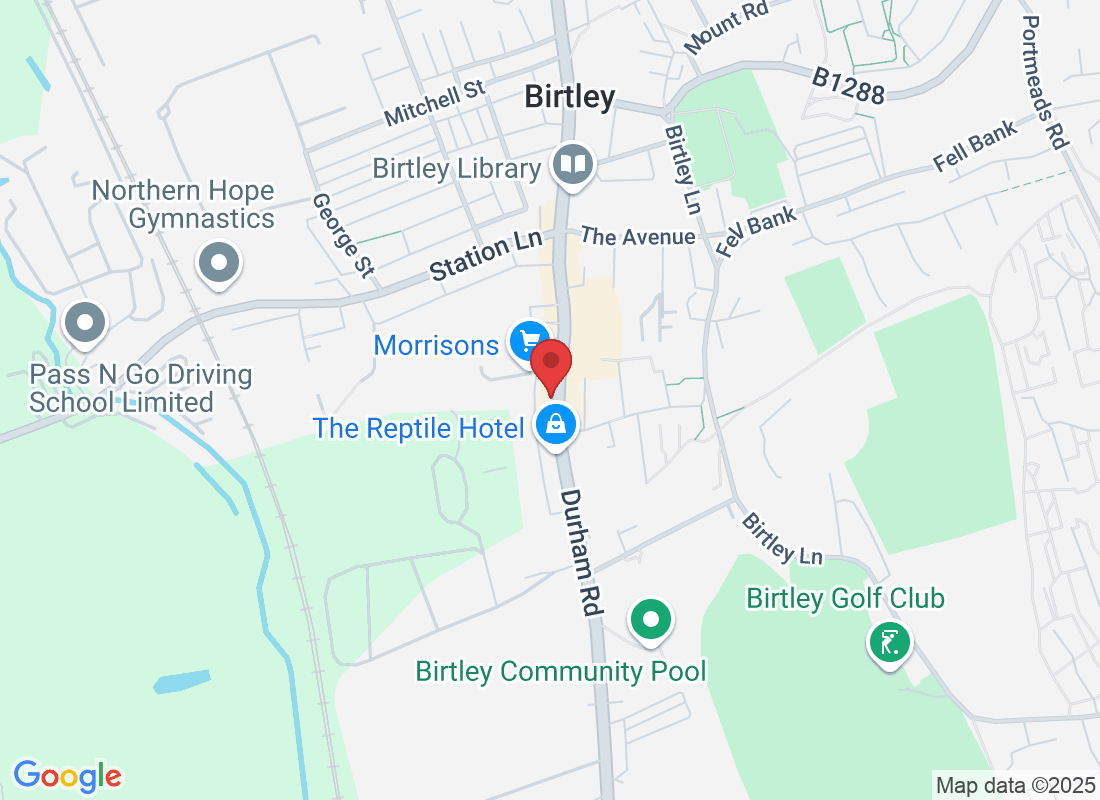
Fungal nail infections, clinically known as onychomycosis, are common conditions that can result in discolored, thickened, and brittle nails. At Birtley Foot Clinic in Birtley, Gateshead, we understand the discomfort and embarrassment that can come with this condition. This comprehensive guide will explore the causes, symptoms, and various treatment options for fungal nail infections, equipping you with the knowledge to manage this issue effectively.
What Causes Fungal Nail Infections?
Fungal nails are typically caused by various types of fungi, primarily dermatophytes, yeasts, and molds. These organisms thrive in warm, moist environments, making toenails particularly susceptible. Several risk factors predispose individuals to fungal infections, including:
- Poor foot hygiene
- Diabetes or compromised immune systems
- Previous nail trauma
- Exposure to fungal infections in communal areas, such as pools and locker rooms
- Wearing tight or non-breathable footwear
How to Identify Fungal Nail Infections
Recognizing the signs of a fungal nail infection is crucial for prompt treatment. Symptoms may include:
- Discoloration of the nail (yellow, brown, or white)
- Thickening of the nail
- Crumbly or brittle nail texture
- Separation of the nail from the nail bed (onycholysis)
- A foul odor emanating from the infected nail
What Are the Treatment Options for Fungal Nails?
Treating fungal nail infections can be challenging, as the fungi often reside deep within the nail bed. At Birtley Foot Clinic, we offer several treatment modalities to effectively combat this condition:
1. Topical Antifungal Treatments
Topical antifungals, including ciclopirox or efinaconazole, are applied directly to the affected nail. These medications help to eliminate the fungal infection, though they may require several months of consistent use to achieve optimal results.
2. Oral Antifungal Medications
For more severe infections or those that do not respond to topical treatments, oral antifungal medications such as terbinafine or itraconazole may be prescribed. These medications work systemically to eradicate the fungus from within and typically require a course of treatment lasting several weeks.
3. Antifungal Nail Lacquers
Specialized nail lacquers, like amorolfine, can be painted on the toenails to deliver antifungal agents directly to the site of infection. Regular application can improve the appearance of the nails while addressing the underlying fungal issue.
4. Laser Therapy
Emerging treatments like laser therapy have shown promise in treating fungal nails. This method uses focused light to target and destroy the fungus while minimizing damage to surrounding tissues. Though not yet universally adopted, studies suggest it may be beneficial for some patients.
5. Surgical Intervention
In extreme cases where a nail is severely damaged or painful, surgical removal of the nail may be necessary. This is typically considered a last resort and is accompanied by post-operative care to prevent recurrence.
How Can I Prevent Fungal Nail Infections?
Preventing fungal nail infections involves maintaining proper foot hygiene and making conscious lifestyle choices:
- Keep your feet dry and clean, especially between the toes.
- Wear breathable shoes and moisture-wicking socks.
- Limit exposure to communal areas where fungi can thrive.
- Trim nails regularly and avoid injuring them.
- Consult with professionals at Birtley Foot Clinic for customized foot care advice.
FAQ about Fungal Nail Infections
-
Can I treat fungal nails at home?
While over-the-counter treatments are available, consulting with a podiatrist is advisable for effective management, especially for persistent cases.
-
How long does it take to cure a fungal nail infection?
Duration of treatment can vary. Topical treatments may take several months, while oral medications can take up to 12 weeks or longer.
-
Are fungal nail infections contagious?
Yes, fungal nail infections can be contagious, primarily in communal settings.
-
Can wearing nail polish cause fungal infections?
Regularly wearing nail polish can trap moisture and create an environment conducive to fungal growth if nails are already damaged.
-
When should I see a specialist for my fungal nail infection?
If you notice symptoms of a fungal nail infection, especially if self-treatment fails, it's important to consult a healthcare professional.
Conclusion
If you are experiencing symptoms of a fungal nail infection, don’t hesitate to reach out to Birtley Foot Clinic in Birtley, Gateshead. Our team of dedicated podiatrists will work with you to determine the most effective treatment approach tailored to your needs. Book your appointment today by visiting our online booking page and take the first step towards healthier, happier nails!