Understanding Achilles Tendonitis in Simple Terms
Understanding Achilles Tendonitis in Simple Terms
Welcome to the Birtley Foot Clinic, located in Birtley, Gateshead. If you are experiencing pain at the back of your heel or along the Achilles tendon, you might be suffering from Achilles tendonitis. This blog post aims to provide a clear and comprehensive understanding of this condition, its causes, symptoms, and treatment options.
What is Achilles Tendonitis?
Achilles tendonitis is an overuse injury that affects the Achilles tendon, which connects the calf muscles to the heel bone. This tendon is essential for walking, running, and jumping, as it facilitates movement by enabling you to push off the ground. When the tendon becomes inflamed or irritated, it can lead to pain and swelling, making it difficult to perform everyday activities.
What Causes Achilles Tendonitis?
Several factors can contribute to the development of Achilles tendonitis, including:
- Overuse: Repetitive activities such as running or jumping, especially on hard surfaces, can strain the tendon.
- Inadequate footwear: Wearing shoes that lack proper support can increase the risk of tendon irritation.
- Age: Tendons naturally weaken with age, making older adults more susceptible to injuries.
- Training errors: Sudden increases in intensity, duration, or frequency of physical activity can overload the tendon.
- Biomechanical issues: Conditions like flat feet, high arches, or tight calf muscles can alter the mechanics of the foot and ankle, increasing stress on the Achilles tendon.
What Are the Symptoms of Achilles Tendonitis?
The symptoms of Achilles tendonitis may vary from mild to severe, and they often include:
- Pain: A dull ache or sharp pain along the back of the heel or calf, particularly during physical activity.
- Stiffness: Increased stiffness in the Achilles tendon, especially in the morning or after periods of rest.
- Swelling: Noticeable swelling or thickening of the tendon.
- Tenderness: Sensitivity or discomfort when touching the tendon or the surrounding area.
How Can I Treat Achilles Tendonitis?
Effective treatment for Achilles tendonitis typically involves a combination of rest, physical therapy, and sometimes medication. Here are some general recommendations:
- Rest: It’s essential to allow the tendon time to heal by avoiding activities that could exacerbate the pain.
- Ice therapy: Applying ice packs to the affected area can reduce swelling and alleviate pain.
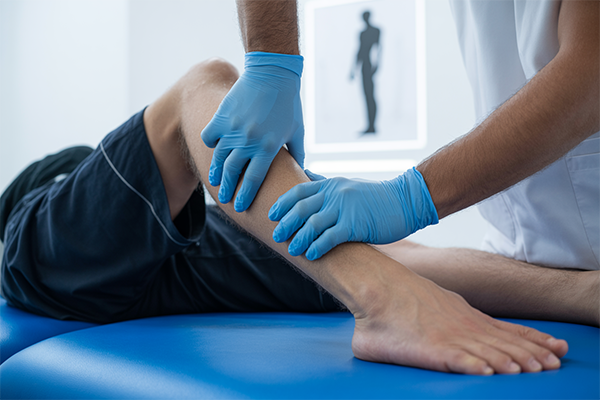
- Stretching and strengthening exercises: A physical therapist can guide you through specific exercises to enhance flexibility and strength in the calf and Achilles tendon.
- Orthotics: Custom foot orthotics may help address biomechanical issues that contributed to the condition.
- Medication: Non-steroidal anti-inflammatory drugs (NSAIDs) can help manage pain and inflammation.
When Should I See a Podiatrist?
If you are unable to manage your symptoms with home care or if the pain persists for more than a few weeks, it’s crucial to consult a podiatrist. Early intervention can prevent more severe complications and facilitate a quicker recovery.
What Role Does the Birtley Foot Clinic Play?
At the Birtley Foot Clinic in Birtley, Gateshead, our experienced podiatrists specialize in diagnosing and treating a range of foot and ankle conditions, including Achilles tendonitis. We offer personalized treatment plans tailored to your specific needs, ensuring that you receive the best care possible. We utilize the latest techniques and equipment to provide effective solutions for foot-related issues.
Frequently Asked Questions (FAQs)
1. Can I continue to exercise with Achilles tendonitis?
It’s best to avoid activities that strain the Achilles tendon. Consider low-impact exercises like swimming or cycling until your pain subsides.
2. How long does it take to recover from Achilles tendonitis?
Recovery time can vary from a few weeks to several months, depending on the severity of the condition and adherence to treatment protocols.
3. Are there any long-term effects of untreated Achilles tendonitis?
If left untreated, Achilles tendonitis can lead to chronic pain, tendon degeneration, or even tendon rupture, necessitating surgical intervention.
4. What types of shoes are best for Achilles tendonitis?
Footwear with good arch support, cushioning, and a low heel-to-toe drop can help alleviate symptoms and support recovery.
5. Is stretching beneficial for Achilles tendonitis?
Yes, gentle stretching of the calf muscles can help relieve tension on the Achilles tendon and promote healing.
Conclusion
Understanding Achilles tendonitis is essential for managing symptoms and preventing further injury. If you are experiencing discomfort or pain in the Achilles tendon, don’t hesitate to visit us at Birtley Foot Clinic in Birtley, Gateshead. Our team is dedicated to providing you with expert care tailored to your needs. Book an appointment today to take the first step towards healing your feet!