Introduction
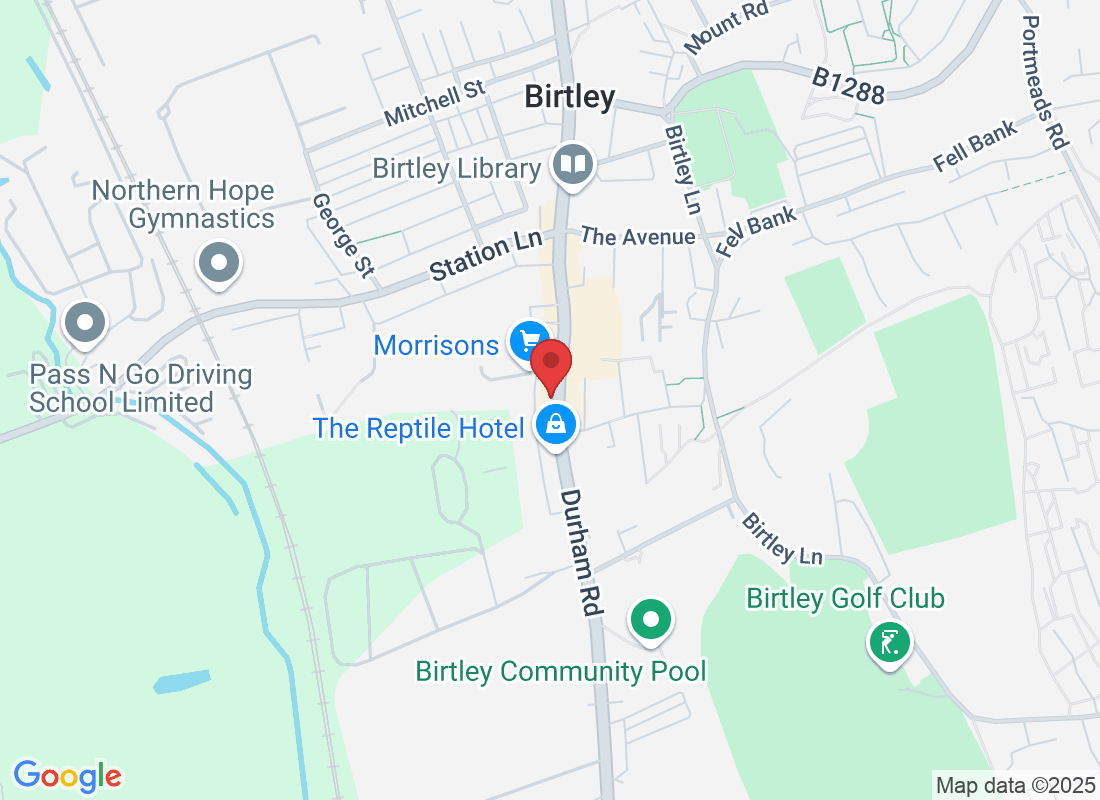
Are you frequently standing on cold floors in your home or workplace? While it might seem like a minor inconvenience, the effects on your foot health can be significant. At Birtley Foot Clinic in Birtley, Gateshead, we understand the unique challenges posed by cold surfaces and their impact on your feet. In this article, we will explore how cold floors can affect your foot health and provide practical tips to alleviate issues related to prolonged exposure to cold surfaces.
What Causes Discomfort on Cold Floors?
Standing on cold floors can lead to discomfort and a range of foot health issues. Cold temperatures can cause the blood vessels in your feet to constrict, reducing blood flow and potentially leading to conditions such as:
- Frostbite: Extreme cold can damage skin and tissues in the feet.
- Raynaud's Phenomenon: A condition where cold can cause numbness and pain due to reduced blood flow.
- Plantar Fasciitis: Inflammation of the plantar fascia, which can occur from altered gait or posture when trying to avoid cold surfaces.
How Can Cold Floors Affect Foot Health?
Prolonged exposure to cold surfaces can lead to several adverse effects on foot health, including:
- Pain and Discomfort: Cold surfaces can cause general foot pain, especially in arches and heels.
- Increased Risk of Injury: Cold may cause individuals to change their walking patterns, leading to muscle strains and joint injuries.
- Exacerbation of Existing Conditions: Conditions such as arthritis and neuropathy may worsen due to cold exposure.
How Can I Reduce the Impact of Cold Floors on My Feet?
There are several strategies to mitigate the adverse effects of cold floors on your foot health:
- Wear Appropriate Footwear: Insulated shoes with proper arch support can provide warmth and cushioning.
- Use Area Rugs or Mats: Covering cold floors with rugs or mats can provide insulation and comfort.
- Maintain a Warm Environment: Try to keep the indoor climate warm to avoid direct exposure to cold surfaces.
- Foot Exercises: Regularly stretching and strengthening your feet can improve blood circulation and reduce pain.
- Sock Selection: Choose thermal or moisture-wicking socks to keep your feet warm and dry.
When Should I See a Podiatrist?
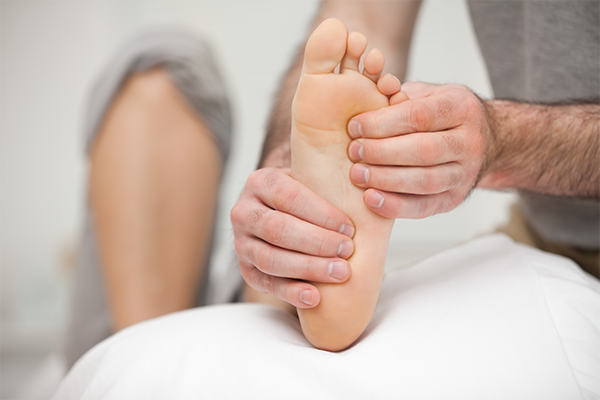
If you experience persistent discomfort or pain in your feet after standing on cold floors, it’s advisable to consult a podiatrist. At Birtley Foot Clinic, our experienced podiatrists can provide a thorough assessment and tailor treatments to your needs. Common treatments may include:
- Orthotic Devices: Custom insoles can provide support and alleviate pain caused by structural imbalances.
- Physical Therapy: Exercises and techniques can be used to enhance flexibility and strength in the feet.
- Cryotherapy: This treatment can help alleviate inflammation and pain in affected areas.
FAQs
- Can standing on cold floors lead to chronic foot pain?
Yes, prolonged exposure can contribute to chronic pain conditions like plantar fasciitis. - What are the best socks to wear on cold floors?
Look for thermal, moisture-wicking socks for best results. - How often should I consult a podiatrist?
If you experience ongoing discomfort, it’s best to see a podiatrist for evaluation. - Are there exercises to help with foot pain?
Yes, stretching and strengthening exercises can improve foot health significantly. - What should I do if I experience numbness in my feet?
Numbness could be a sign of poor circulation; consult with a healthcare provider promptly.
Conclusion
Standing on cold floors can have adverse effects on your foot health, leading to discomfort and even chronic conditions. It’s essential to take proactive steps to protect your feet, from wearing appropriate footwear to consulting a podiatrist when necessary. If you're in Birtley or Gateshead and experiencing foot issues related to cold surfaces, don’t hesitate to reach out to us at Birtley Foot Clinic. Schedule an appointment today through our online booking system and take the first step towards healthier feet!