
Seasonal Skin Problems and Feet: Birtley Podiatrist Tips for Autumn and Winter
Introduction
As the leaves change color and the temperatures drop, many individuals find that their feet experience a range of seasonal skin problems. At Birtley Foot Clinic in Birtley, Gateshead, we understand that autumn and winter can bring about unique challenges for foot health. In this article, we will explore common seasonal skin problems affecting the feet and provide practical tips and treatment options to keep your feet healthy this fall and winter.
What Causes Seasonal Skin Problems for Feet?
Seasonal skin issues often arise due to a combination of environmental changes, moisture levels, and decreased foot exposure. Common conditions include:
- Dry Skin: The cold, dry air can strip moisture from the skin, leading to dryness and cracking, particularly on the heels.
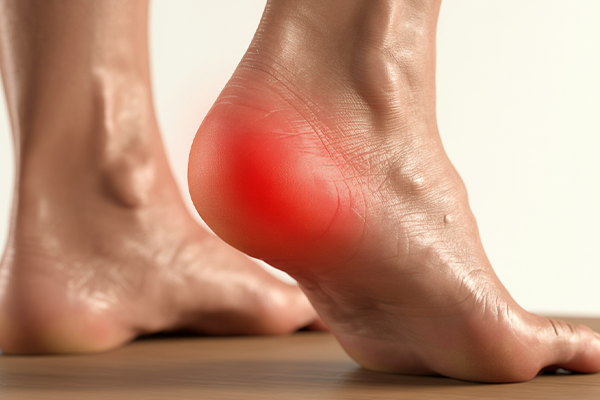
- Cracked Heels: This condition often results from insufficient hydration and pressure on the feet, causing fissures and pain.
- Fungal Infections: Dampness from wearing thick socks or wet shoes can create an environment conducive to fungal growth, leading to conditions like athlete's foot.
- Cold Feet: Reduced circulation due to the cold can lead to numbness and skin issues.
How Can I Treat Dry Skin and Cracked Heels?
To combat dryness and prevent cracked heels, consider the following treatments:
- Moisturizing: Regularly apply a thick, foot-specific moisturizer containing urea or shea butter, especially after bathing and before bed.
- Exfoliation: Use a pumice stone or foot scrub to remove dead skin cells once a week. This helps prevent thick, hard skin buildup.
- Soaking: Soak your feet in warm (not hot) water mixed with Epsom salt for about 15 minutes, then exfoliate and moisturize.
- Foot Masks: Consider overnight foot masks that seal in moisture and provide intensive hydration.
What Can I Do to Prevent Fungal Infections?
Preventing fungal infections during colder months is essential for maintaining foot health. Here are some effective strategies:
- Foot Hygiene: Wash your feet daily with soap and water, ensuring to dry them thoroughly, especially between the toes.
- Choose the Right Footwear: Wear breathable shoes made from materials like leather or canvas. If your shoes are damp, let them dry completely before wearing them again.
- Wear Moisture-Wicking Socks: Opt for socks made from wool or synthetic fibers that wick moisture away from the skin.
- Avoid Shared Spaces: Wear flip-flops in public showers, swimming pools, or locker rooms to reduce the risk of exposure to fungi.
How Can I Improve Circulation in My Feet During Cold Months?
Improving circulation can help keep your feet warm and healthy. Here are a few methods to enhance blood flow:
- Regular Exercise: Engage in activities like walking, which can help stimulate blood flow to your extremities.
- Foot Elevation: Elevate your feet when sitting to encourage circulation.
- Warm Baths: Soaking your feet in a warm bath can also promote blood flow.
- Wear Warm Socks: Insulated, breathable socks can help maintain warmth without restricting blood flow.
What Should I Do If My Skin Problems Persist?
If you notice persistent skin problems despite following these self-care measures, it may be wise to consult a podiatrist. Common treatments provided by a professional may include:
- Topical Treatments: Prescription creams to treat infections or severe dryness.
- Callus Removal: Professional removal of thick calluses that may be contributing to pain and skin damage.
- Custom Footwear Solutions: Recommendations for orthotics or specially designed footwear to relieve pressure points.
FAQ
- Q: How often should I moisturize my feet in winter? A: It is recommended to moisturize at least once daily, especially after bathing.
- Q: What are signs of a fungal infection? A: Symptoms include itching, redness, scaling, and sometimes blisters or odor.
- Q: Can I use regular lotion on my feet? A: It’s best to use a thicker foot cream that is specifically designed for foot care.
- Q: Are there any home remedies for cracked heels? A: Home remedies may include using coconut oil or olive oil as a natural moisturizer.
- Q: When should I see a podiatrist? A: You should consult a podiatrist if you experience persistent pain, severe cracking, or signs of infection.
Conclusion
As we transition into the colder months, it’s essential to take proactive measures for maintaining foot health. By understanding seasonal skin problems and implementing the tips provided, you can keep your feet comfortable and healthy. For further assistance or personalized foot care, don't hesitate to visit us at Birtley Foot Clinic in Birtley, Gateshead. Book your appointment today by clicking here.