
Can You Prevent Ingrown Toenails? Tips from a Birtley Podiatrist
Understanding Ingrown Toenails
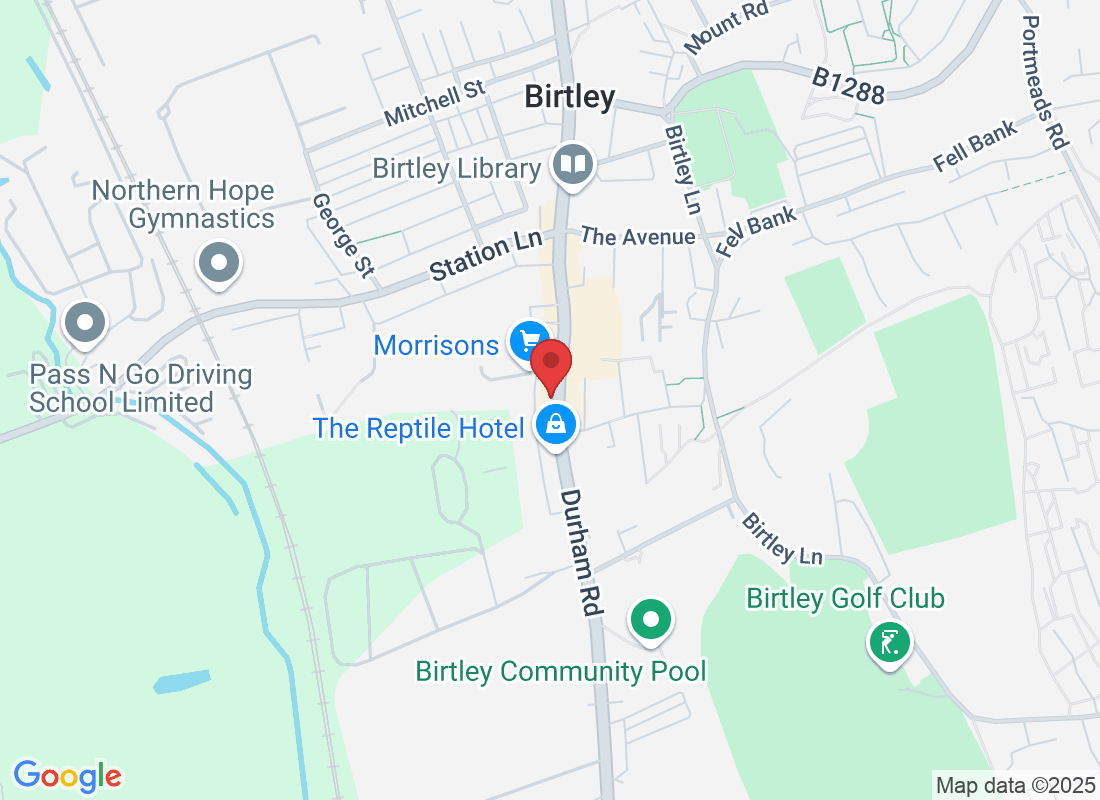
Ingrown toenails, medically known as onychocryptosis, occur when the edges of the toenail grow into the surrounding skin. This can lead to pain, swelling, inflammation, and even infection. If you find yourself grappling with this common condition, you might be asking: can you prevent ingrown toenails? At the Birtley Foot Clinic located in Birtley, Gateshead, we provide essential information on preventing this foot ailment and maintaining optimal foot health.
What Causes Ingrown Toenails?
Several factors contribute to the development of ingrown toenails:
- Improper Nail Cutting: Cutting toenails too short or rounding the edges can encourage the nail to grow into the skin.
- Footwear Choices: Tight-fitting shoes or high heels can place pressure on the toes, leading to abnormal nail growth.
- Genetics: Some individuals are predisposed to ingrown toenails due to the natural shape of their toenails.
- Injury: Trauma to the toenail, such as stubbing your toe or dropping something on it, can cause an ingrown toenail.
- Medical Conditions: Conditions such as diabetes and fungal infections can exacerbate nail problems.
Can You Prevent Ingrown Toenails?
Yes, many cases of ingrown toenails can be prevented with simple practices and self-care measures. Here are some effective tips recommended by our Birtley podiatrists:
1. Proper Nail Trimming Techniques
Adopting a correct approach to toenail trimming can significantly reduce the risk of ingrown toenails:
- Cut straight across the nail rather than rounding the edges.
- Avoid cutting your nails too short; leave a small amount of the white nail tip visible.
2. Choose Appropriate Footwear
Wearing the right shoes is crucial for foot health:
- Select shoes with a wide toe box that allows sufficient space for your toes.
- Avoid shoes that squeeze or exert pressure on the toes, particularly high heels or narrow styles.
3. Maintain Foot Hygiene
Good foot hygiene is essential in preventing infections that may arise from ingrown toenails:
- Wash your feet daily and dry them thoroughly, especially between the toes.
- Keep toenails clean and free from debris.
4. Monitor and Manage Existing Foot Conditions
If you have underlying health issues (such as diabetes), regular monitoring is vital:
- Regularly inspect your feet for any changes or abnormalities.
- Seek professional treatment for any existing nail infections or foot pain.
5. Seek Professional Assistance
If you frequently experience difficulties with your toenails, consider scheduling regular check-ups with a podiatrist. Early intervention can help prevent more severe complications.
How Can I Treat Ingrown Toenails?
Treatment for ingrown toenails may vary based on severity:
- Home Remedies: Soaking your foot in warm, soapy water can help reduce pain and swelling. Application of antibiotic ointment can prevent infection.
- Podiatric Treatment: In severe cases, a podiatrist may need to remove the ingrown portion of the nail or even perform a partial nail avulsion.
When Should I See a Podiatrist?
If you experience persistent pain, swelling, or signs of infection (such as pus), it’s crucial to consult a healthcare provider. Early and appropriate treatment from the Birtley Foot Clinic in Birtley, Gateshead can prevent complications and promote faster healing.
Frequently Asked Questions
1. What are the signs of an ingrown toenail?
Common signs include pain along the side of the nail, swelling, redness, and possible drainage if infection occurs.
2. Can ingrown toenails cause infections?
Yes, ingrown toenails can lead to infections, especially if untreated. Signs of infection include increased redness, pus, and warmth around the area.
3. Are ingrown toenails hereditary?
Yes, genetic factors can influence toenail shape and growth patterns, leading to a higher likelihood of ingrown toenails.
4. Can I prevent ingrown toenails if I have diabetes?
If you have diabetes, maintaining proper foot care and regular check-ups can help prevent ingrown toenails and other related complications.
5. What home remedies can I use for minor ingrown toenails?
Soaking the foot in warm, soapy water and applying antiseptic ointments can provide relief. However, consult a podiatrist for persistent issues.
Conclusion
Preventing ingrown toenails is achievable with proper foot care and awareness of your nail health. At the Birtley Foot Clinic in Birtley, Gateshead, we're dedicated to helping you maintain healthy feet and preventing common issues like ingrown toenails. If you're experiencing pain or have concerns about your toenails, we encourage you to book an appointment with us today. Together, we can ensure your feet remain healthy and pain-free.