Can a Podiatrist Remove a Corn Permanently?
Understanding Corns: What Are They?
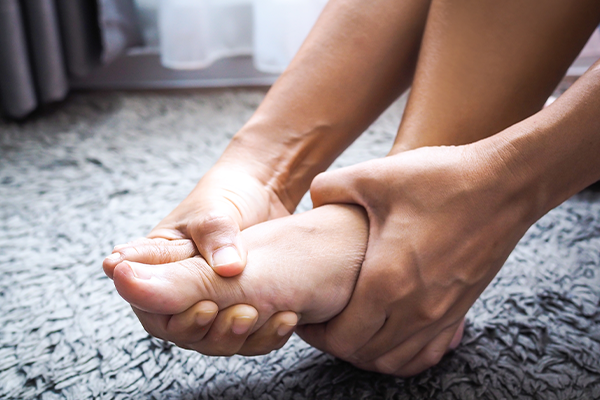
Corns are thickened areas of skin that develop as a protective response to friction and pressure, primarily on the toes and feet. They commonly arise in individuals who wear ill-fitting shoes or who have particular foot deformities, such as bunions or hammertoes. While corns are not normally dangerous, they can cause discomfort and pain, making it difficult for individuals to walk comfortably.
What Causes Corns?
The primary cause of corns is excessive pressure or friction on specific areas of the foot. Several factors contribute to the development of corns:
- Poorly fitting footwear: Shoes that are too tight, too loose, or have high heels often lead to the formation of corns.
- Foot deformities: Conditions such as bunions, hammertoes, and flat feet can alter weight distribution on the foot, exacerbating corn development.
- Activity-related pressure: Repetitive activities, such as running or walking, may also contribute to friction in specific areas.
- Inadequate foot care: Lack of proper foot hygiene and care can lead to skin issues, including corns.
Can a Podiatrist Remove a Corn Permanently?
The short answer is yes, a podiatrist can effectively remove a corn, but whether it can be removed permanently depends on various factors. Podiatrists at the Birtley Foot Clinic in Birtley, Gateshead, employ a range of techniques to address corns, ensuring both pain relief and prevention.
Current Treatment Options
There are several methods a podiatrist might use to treat corns:
- Paring: This involves trimming away the thickened skin using a sterile surgical blade. This is often performed in-office and provides immediate relief.
- Padding: Soft pads may be recommended to alleviate pressure on the affected area, promoting comfort and allowing the skin to heal.
- Footwear advice: A podiatrist can provide guidance on appropriate footwear that minimizes friction and supports foot health.
- Custom orthotics: These devices help redistribute pressure on the foot, addressing underlying issues that may contribute to the formation of corns.
- Surgical options: In severe cases, if corn formation is due to structural deformities, surgical intervention may be necessary to correct the underlying cause.
Preventing Corn Formation
Prevention is often the best strategy for avoiding corns altogether. Here are some practical tips to keep your feet healthy:
- Choose well-fitting shoes: Ensure shoes provide proper support, fit well, and avoid high heels when possible.
- Maintain foot hygiene: Regularly wash and moisturise your feet, focusing on dry areas where corns may develop.
- Identify and treat foot deformities: Seek consultation with a podiatrist if you have existing foot issues that may contribute to corns.
- Use protective pads: Consider using cornstarch or foot pads designed to reduce friction and pressure.
What Are Some Home Remedies for Corns?
While professional treatment is often the most effective way to remove corns, some home remedies may provide temporary relief:
- Soaking feet: Soaking your feet in warm, soapy water can soften the corn, making it easier to exfoliate.
- Pumice stones: Gently rubbing a pumice stone over the corn after soaking can help reduce its size.
- Moisturising creams: Using a cream containing urea may help hydrate and soften the hardened skin over time.
When Should You See a Podiatrist?
If corns are causing persistent pain, discomfort, or showing signs of infection (redness, swelling, or drainage), it’s crucial to seek professional help. At Birtley Foot Clinic, we assess and treat foot conditions thoroughly, aiming for both relief and long-term solutions.
Frequently Asked Questions (FAQ)
- What is the difference between a corn and a callus? Corns are generally smaller, with a more defined center, while calluses are larger, thicker areas of skin that develop on weight-bearing surfaces.
- Can I remove a corn at home? While it’s possible to trim corns at home, we strongly advise against it due to the risk of injury or infection. Professional treatment is safer and more effective.
- How do I know if I have a corn? Corns typically present as small, hardened bumps on the skin, often surrounded by inflamed skin. They are painful when pressed.
- Is it safe to use over-the-counter corn removal products? Over-the-counter products often contain acids that can irritate the skin. It's best to consult a podiatrist first for safer alternatives.
- Will corns come back after removal? If the underlying causes, such as improper footwear or foot deformities, are not addressed, corns can reoccur even after removal.
Conclusion
In summary, a podiatrist can effectively remove a corn, but the permanence of the solution largely depends on addressing the root causes of friction and pressure. At Birtley Foot Clinic in Birtley, Gateshead, our dedicated team is here to provide comprehensive care for your foot health. If you're experiencing discomfort from corns or other foot conditions, we encourage you to book an appointment with us today.