Plantar Plate Injuries: When to Seek Foot Pain Help in Gateshead
Plantar Plate Injuries: When to Seek Foot Pain Help in Gateshead
If you're experiencing persistent foot pain, particularly around the ball of your foot, you may be suffering from a plantar plate injury. At Birtley Foot Clinic in Birtley, Gateshead, we specialise in diagnosing and treating various podiatric conditions, including plantar plate injuries. Understanding this condition and knowing when to seek medical help can significantly impact your recovery and overall foot health.
What is the Plantar Plate?
The plantar plate is a thick band of connective tissue located beneath the metatarsophalangeal joints of the toes. It plays a crucial role in stabilising these joints and facilitating proper movement. Injury to the plantar plate can lead to pain, swelling, and, in some cases, instability of the affected toe.
What Causes Plantar Plate Injuries?
Several factors can contribute to plantar plate injuries, including:
- Foot Structure: Abnormal foot mechanics, such as flat feet or high arches, can place excessive strain on the plantar plate.
- Overuse: Runners and athletes may experience plantar plate injuries due to repetitive stress on the foot.
- Trauma: A sudden injury, such as dropping a heavy object on the foot, can also cause damage to the plantar plate.
- Ill-fitting Footwear: Shoes that do not provide adequate support or that are too tight can exacerbate the risk of injury.
What are the Symptoms of a Plantar Plate Injury?
Recognising the symptoms of a plantar plate injury is essential for timely treatment. Common symptoms include:
- Sharp or aching pain in the ball of the foot, particularly when walking or standing.
- Swelling or inflammation around the affected joint.
- Difficulty bending or straightening the toe.
- A feeling of instability in the toe, especially when bearing weight.
- Visible deformity of the toe, such as a hammer toe or mallet toe formation.
How is a Plantar Plate Injury Diagnosed?
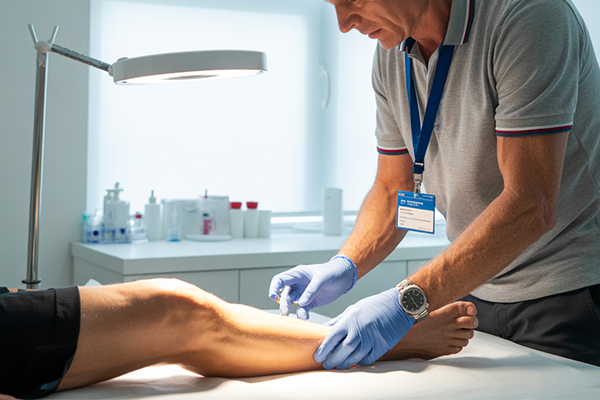
At Birtley Foot Clinic, our experienced podiatrists perform a comprehensive examination to diagnose plantar plate injuries. The diagnosis process typically includes:
- Medical History: Discussing your symptoms, medical history, and activity levels with your podiatrist.
- Physical Examination: A thorough examination of your foot, assessing for pain, swelling, and any deformities.
- Imaging Tests: X-rays or MRI scans may be recommended to assess the extent of the injury and rule out other conditions.
How Can I Treat a Plantar Plate Injury?
Treatment options for a plantar plate injury may vary depending on the severity of the injury. Common treatments include:
- Rest: Reducing physical activity to allow the injured area to heal.
- Ice Therapy: Applying ice to the affected area can help reduce swelling and pain.
- Orthotic Devices: Custom orthotics may be recommended to provide additional support and relieve pressure on the plantar plate.
- Physical Therapy: Stretching and strengthening exercises can improve foot mechanics and promote healing.
- Surgery: In severe cases, surgical intervention may be necessary to repair a torn plantar plate.
When Should I Seek Help for Foot Pain in Gateshead?
If you are experiencing symptoms of a plantar plate injury or persistent foot pain, it is essential to seek professional help. Early intervention can prevent further complications and improve your recovery time. If you notice any of the following, contact Birtley Foot Clinic:
- Increased pain that does not improve with rest or home treatment.
- Visible deformity or significant swelling in the foot.
- Difficulties in walking or carrying out daily activities.
Frequently Asked Questions (FAQ)
1. Can plantar plate injuries heal on their own?
While some minor injuries may heal with rest and conservative care, severe injuries often require professional treatment to ensure proper healing.
2. How long does it take to recover from a plantar plate injury?
Recovery time varies depending on the severity of the injury and adherence to the treatment plan. It can range from a few weeks to several months.
3. Are there specific shoes that can help alleviate plantar plate pain?
Yes, shoes with a supportive structure, cushioned insoles, and a wide toe box can help alleviate symptoms. Avoiding high heels and tight footwear is also recommended.
4. How can I prevent plantar plate injuries in the future?
Preventive measures include wearing appropriate footwear, maintaining a healthy weight, and engaging in proper warm-up and stretching before physical activities.
5. What should I do if my toe looks deformed?
If you notice a deformity in your toe, it is important to consult a podiatrist as this may indicate a more severe injury or condition requiring medical intervention.
Foot pain shouldn't hold you back. If you're in Gateshead and suspect you may have a plantar plate injury, or if you're experiencing any foot pain, don't hesitate to reach out to us at Birtley Foot Clinic. Our dedicated team is here to provide expert care tailored to your needs. Book your appointment today!