Plantar Fasciitis Help Gateshead: What You Should Know
Plantar Fasciitis Help Gateshead: What You Should Know
If you are experiencing heel pain or discomfort in the arch of your foot, you might be suffering from plantar fasciitis. At Birtley Foot Clinic in Birtley, Gateshead, we are dedicated to helping our community understand this common condition and providing effective treatment options. This guide will walk you through what plantar fasciitis is, its causes, symptoms, and treatment methods, ensuring you are well-informed about your foot health.
What is Plantar Fasciitis?
Plantar fasciitis is an inflammatory condition affecting the plantar fascia, a thick band of tissue that runs across the bottom of your foot, connecting your heel bone to your toes. It plays a vital role in supporting the arch of your foot. When the plantar fascia is overstressed, it can become inflamed, leading to significant pain and discomfort.
What Causes Plantar Fasciitis?
Understanding the causes of plantar fasciitis is crucial for effective treatment and prevention. Here are some common factors:
- Overuse: Activities involving prolonged standing, walking, or running, especially on hard surfaces.
- Foot Structure: Flat feet, high arches, or an abnormal walking pattern can increase strain on the plantar fascia.
- Obesity: Excess weight places additional stress on your feet, aggravating the plantar fascia.
- Aging: The plantar fascia may lose elasticity with age, making it more susceptible to injury.
- Inadequate Footwear: Shoes that lack support or cushioning can lead to increased pressure on the plantar fascia.
What Are the Symptoms of Plantar Fasciitis?
The hallmark of plantar fasciitis is pain, which often manifests in the following ways:
- Heel Pain: A sharp, stabbing pain that is often worse in the morning or after prolonged periods of rest.
- Stiffness: Noticeable stiffness in the foot upon waking or after sitting for a while.
- Swelling: Mild swelling along the plantar fascia or around the heel area.
- Pain after Activity: While the initial pain may decrease during activity, it often resurfaces afterward.
How is Plantar Fasciitis Diagnosed?
At Birtley Foot Clinic, our experienced podiatrists will conduct a thorough examination, which may include:
- Medical History: Discussing your symptoms, lifestyle, and any previous foot issues.
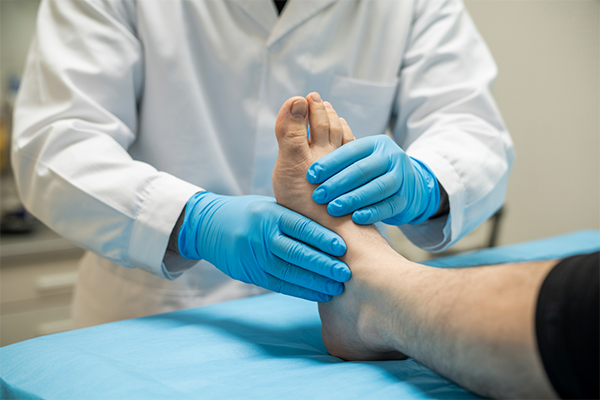
- Physical Examination: Assessing your foot flexibility, alignment, and the locations of pain.
- X-rays or MRI: In some cases, imaging tests may be necessary to rule out other conditions.
How Can I Treat Plantar Fasciitis?
Treatment for plantar fasciitis typically involves a combination of self-care and professional interventions. Here are some effective strategies:
- Rest: Reducing activities that cause pain can facilitate healing.
- Ice Therapy: Applying ice to the affected area can reduce inflammation and relieve pain.
- Footwear Choices: Investing in supportive shoes or orthotics can help alleviate pressure on the plantar fascia.
- Stretching Exercises: Regular stretching of the calf muscles and plantar fascia can enhance flexibility and reduce strain.
- Physical Therapy: A qualified therapist may provide tailored exercises and therapies to improve foot function.
- Medications: Nonsteroidal anti-inflammatory drugs (NSAIDs) may be recommended to manage pain and inflammation.
- Corticosteroid Injections: For persistent cases, injections may provide temporary relief from symptoms.
- Surgery: In rare instances, when conservative treatments fail, surgical options may be considered.
How Can I Prevent Plantar Fasciitis?
Preventive measures can significantly reduce your risk of developing plantar fasciitis:
- Maintain a healthy weight to lessen stress on your feet.
- Choose proper footwear that provides support and cushioning.
- Incorporate regular foot exercises to keep muscles strong and flexible.
- Avoid sudden increases in physical activity; gradually build intensity and duration.
Frequently Asked Questions (FAQs)
1. Can plantar fasciitis be cured?
Yes, most cases of plantar fasciitis can be effectively treated with conservative measures, and the symptoms can often be completely resolved.
2. How long does it take to recover from plantar fasciitis?
Recovery time can vary based on individual factors and the severity of the condition, but many people see improvement within several weeks to months with appropriate treatment.
3. Is surgery always necessary for plantar fasciitis?
Surgery is rarely needed for plantar fasciitis and is typically reserved for severe cases that do not respond to conservative treatments.
4. What kind of footwear is recommended for plantar fasciitis?
Footwear should have good arch support, cushioning, and a wide toe box. Avoid heels and flip-flops, as they provide insufficient support.
5. Are there home remedies I can try for plantar fasciitis?
Yes, home remedies including ice therapy, rest, and gentle stretching exercises can be beneficial for managing symptoms.
If you're struggling with heel pain or have concerns about plantar fasciitis, don’t hesitate to reach out for professional help. The team at Birtley Foot Clinic in Birtley, Gateshead, is equipped with the knowledge and experience to guide you through recovery. Book your appointment today and take the first step towards pain-free feet.