Plantar Fasciitis Help Gateshead: Quick Relief Tips
Understanding Plantar Fasciitis
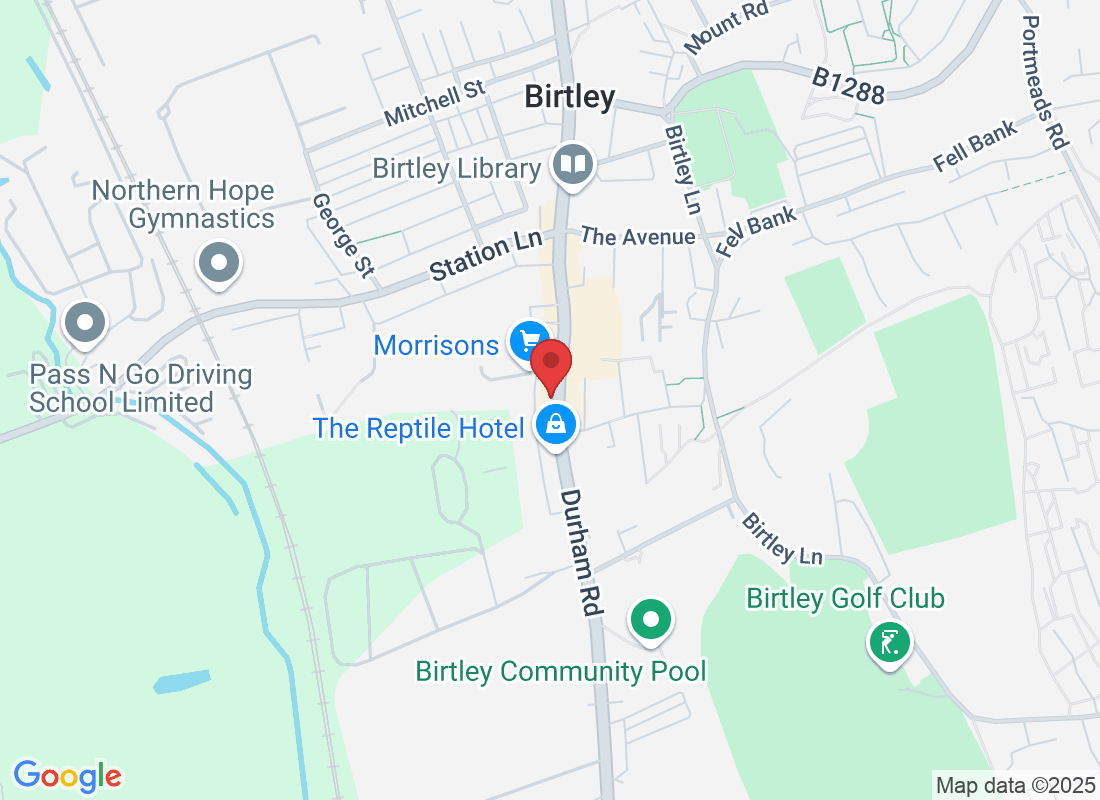
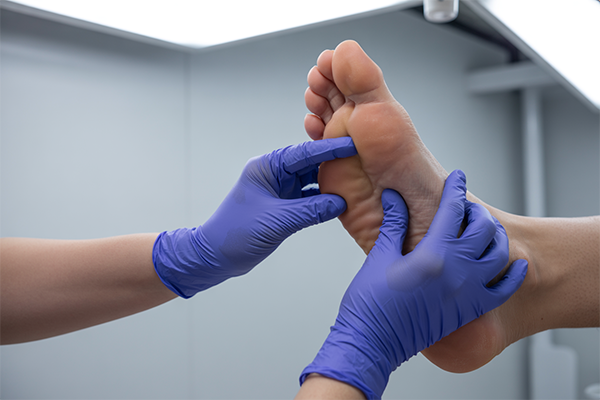
Plantar fasciitis is a common foot condition that results in significant heel pain due to inflammation of the plantar fascia, the thick band of tissue that runs along the bottom of your foot, connecting your heel bone to your toes. At Birtley Foot Clinic in Birtley, Gateshead, we see many patients struggling with this painful condition. Understanding its causes, symptoms, and treatment options is essential for quick relief and long-term recovery.
What Causes Plantar Fasciitis?
Several factors can lead to the development of plantar fasciitis, including:
- Overuse: Engaging in repetitive activities that put stress on your feet, such as running or standing for long periods.
- Foot Structure: Individuals with flat feet, high arches, or abnormal walking patterns may be more susceptible to this condition.
- Age: The risk of plantar fasciitis increases with age, particularly in individuals over 40.
- Obesity: Excess weight can place additional pressure on the plantar fascia.
- Improper Footwear: Wearing shoes that lack adequate support or cushioning can contribute to developing plantar fasciitis.
What Are the Symptoms of Plantar Fasciitis?
The primary symptom of plantar fasciitis is a sharp, stabbing pain in the heel, particularly noticeable in the morning when taking the first steps out of bed. Other symptoms include:
- Pain after prolonged sitting or resting.
- Pain that worsens after exercise but not during it.
- Tenderness and swelling in the heel area.
How Can I Treat Plantar Fasciitis at Home?
If you're experiencing symptoms of plantar fasciitis, several home treatments can provide quick relief:
- Rest: Reduce activities that cause pain to allow the plantar fascia to heal.
- Ice: Apply ice packs to the affected area for 15-20 minutes several times a day to decrease inflammation.
- Stretching: Incorporate calf and plantar fascia stretches into your routine to promote flexibility.
- Orthotics: Use over-the-counter arch supports or custom orthotics to provide cushioning and support.
- Footwear: Wear shoes with good arch support and cushioning. Avoid walking barefoot on hard surfaces.
- Anti-inflammatory medications: Over-the-counter pain relievers like ibuprofen can help reduce pain and swelling.
When Should I See a Podiatrist?
Consider visiting a podiatrist at Birtley Foot Clinic in Birtley, Gateshead if:
- Your pain persists despite conservative treatment at home.
- The pain becomes severe, affecting your daily activities.
- You are experiencing other symptoms such as swelling, numbness, or tingling.
Early intervention can prevent the progression of plantar fasciitis and improve your overall foot health.
What Are the Treatment Options Available at a Podiatrist?
At Birtley Foot Clinic, we offer several treatment options for plantar fasciitis, including:
- Physical Therapy: Targeted exercises that strengthen the muscles in your foot and ankle.
- Corticosteroid Injections: Injections that can help reduce inflammation and relieve pain.
- Shockwave Therapy: A non-invasive treatment that uses sound waves to promote healing in the affected area.
- Surgery: In rare cases, surgical intervention may be necessary if conservative treatments fail.
Can Plantar Fasciitis Be Prevented?
Yes, there are several strategies you can adopt to prevent plantar fasciitis:
- Choose supportive footwear that fits well and is appropriate for your activities.
- Maintain a healthy weight to reduce stress on your feet.
- Incorporate stretching exercises for your feet and calves into your daily routine.
- Avoid sudden increases in physical activity; gradually ramp up intensity and duration.
- Consider using orthotic insoles for added support, especially if you have flat feet or high arches.
FAQs About Plantar Fasciitis
1. What activities should I avoid with plantar fasciitis?
Avoid high-impact activities like running, and refrain from walking barefoot on hard surfaces.
2. Can I continue to exercise with plantar fasciitis?
Modify your routine to low-impact exercises such as swimming or cycling, which reduce stress on your feet.
3. How long does it typically take for plantar fasciitis to heal?
With proper treatment, most people see improvement within a few months, but recovery can vary.
4. Will plantar fasciitis go away on its own?
While many cases improve with time and conservative treatment, it’s important to seek medical advice to prevent chronic pain.
5. How often should I do stretches for plantar fasciitis?
Stretching should be a daily routine, ideally both in the morning and before activities.
Conclusion
Plantar fasciitis can significantly impact your quality of life, but with the right knowledge and treatment strategies, you can find relief. If you're looking for specialized care in Birtley, Gateshead, visit Birtley Foot Clinic. Our team is ready to help you with personalized treatment plans tailored to your needs. Don’t let heel pain hold you back; book an appointment today!