
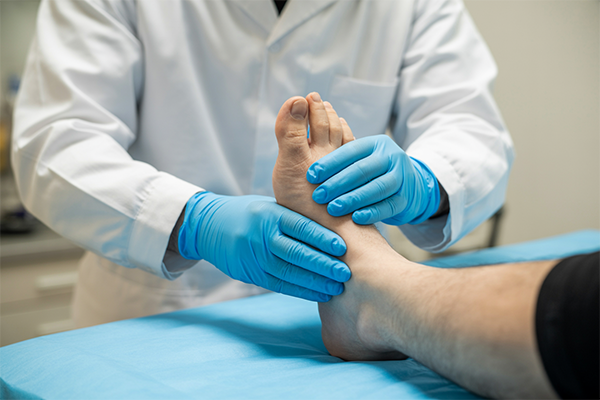
Understanding Menopause and Its Impact on Foot Health
Menopause is a significant phase in a woman's life, typically occurring between the ages of 45 and 55. While often discussed in the context of hot flashes and mood changes, many women are unaware of its potential effects on foot health. At Birtley Foot Clinic in Birtley, Gateshead, we believe it's crucial to understand these changes and how they can impact your overall mobility and quality of life.
What Causes Foot Changes During Menopause?
As estrogen levels decline during menopause, various physiological changes occur. These changes can directly affect foot health:
- Joint Stiffness: Lower estrogen levels can lead to increased stiffness in joints, contributing to conditions like osteoarthritis.
- Ligament Laxity: Hormonal changes may cause ligaments to loosen, leading to an increased risk of injury.
- Bone Density Loss: Reduced estrogen is linked to a decrease in bone density, potentially leading to osteopenia or osteoporosis, which can impact foot structure.
- Circulation Issues: Hormonal fluctuations can affect blood circulation, leading to symptoms like swelling and discomfort.
What Foot Conditions Are Commonly Linked to Menopause?
Several specific foot conditions may arise or worsen due to the changes associated with menopause:
- Plantar Fasciitis: Inflammation of the plantar fascia can result from altered foot mechanics due to joint and ligament changes.
- Bunions: Increased pronation can lead to the development or aggravation of bunions, affecting both comfort and mobility.
- Neuromas: Hormonal fluctuations can lead to nerve pain, notably Morton's neuroma, which causes sharp pain in the forefoot.
- Diabetic Foot Complications: Women experiencing menopause are at a higher risk for diabetes, which can lead to serious foot complications.
How Can I Identify Foot Issues Related to Menopause?
Awareness of the symptoms associated with menopause-related foot changes is vital for early detection and intervention. Common signs to watch for include:
- Increased foot pain or discomfort, especially after prolonged standing or activity.
- Swelling in the feet or ankles.
- Changes in foot shape or the development of new bumps or lumps.
- Numbness or tingling sensations in the toes or balls of the feet.
How Can I Treat Foot Conditions Related to Menopause?
Addressing foot issues effectively involves a multifaceted approach:
- Proper Footwear: Invest in shoes that provide adequate support and cushioning to reduce pressure on your feet.
- Foot Care Routine: Implement a daily foot care regimen, including soaking, moisturizing, and inspecting for any changes or injuries.
- Physical Therapy: Consider consulting a physical therapist for tailored exercises that improve flexibility and strengthen foot and ankle muscles.
- Orthotic Devices: Custom orthotics can help in alleviating pain and correcting biomechanical issues.
- Consult a Podiatrist: Regular check-ups at clinics like Birtley Foot Clinic can help monitor foot health and preemptively address any concerns.
FAQs About Menopause and Foot Health
1. Can menopause cause foot pain?
Yes, hormonal changes during menopause can lead to increased joint stiffness, ligament laxity, and conditions like plantar fasciitis, contributing to foot pain.
2. Are bunions common during menopause?
Bunions may become more pronounced during menopause due to changes in foot mechanics and increased pronation.
3. How often should I see a podiatrist during menopause?
Regular check-ups, at least once a year, are recommended, especially if you experience any foot pain or changes in your foot health.
4. What exercises are good for foot health during menopause?
Strengthening and stretching exercises focusing on the foot and ankle can help maintain flexibility and reduce pain. Consult with a physical therapist for a personalized routine.
5. Is there a link between diabetes and menopause?
Yes, menopause can increase the risk of developing diabetes. It's essential to monitor blood sugar levels as they can lead to severe foot complications.
Conclusion
Menopause can bring about surprising changes, not only in your overall well-being but also in your foot health. Staying informed and proactive can help manage these issues effectively. If you are experiencing any foot problems related to menopause, don't hesitate to reach out to Birtley Foot Clinic in Birtley, Gateshead. Our team is dedicated to providing comprehensive care tailored to your podiatric needs.