
The Importance of Regular Foot Checks
The Importance of Regular Foot Checks
At Birtley Foot Clinic, located in the heart of Birtley, Gateshead, we understand that foot health is crucial to your overall well-being. Regular foot checks are an essential part of maintaining healthy feet and preventing serious conditions. In this blog post, we will explore the importance of regular foot assessments, the common conditions we look for, and how you can keep your feet healthy.
Why Should You Have Regular Foot Checks?
Regular foot checks are vital for several reasons:
- **Prevention of Foot Complications:** Early detection of conditions such as bunions, plantar fasciitis, or diabetic foot ulcers can prevent serious complications.
- **Monitor Changes Over Time:** Regular assessments help track any changes in your foot health, allowing for timely intervention.
- **Tailored Foot Care:** Each patient's foot care needs are unique. Regular check-ups enable professionals to provide personalized recommendations based on your foot type and medical history.
What Conditions Can Regular Foot Checks Identify?
Foot checks can uncover a range of conditions, including:
- Diabetic Foot Problems: Diabetes can lead to neuropathy and reduced blood circulation, increasing the risk of foot ulcers and infections.
- Fungal Infections: Conditions such as athlete's foot are common and can cause discomfort if not treated early.
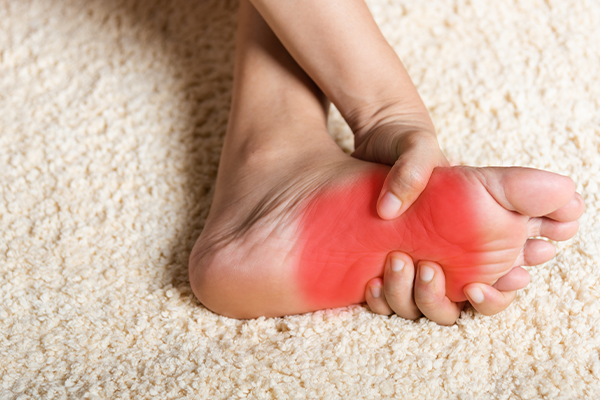
- Plantar Fasciitis: This painful condition results from inflammation of the plantar fascia and can significantly affect mobility.
- Ingrown Toenails: A common problem that can cause pain and lead to infections if not addressed.
- Bunions and Hammertoes: These structural deformities can lead to pain and difficulty in wearing shoes comfortably.
What Happens During a Foot Check?
A comprehensive foot check typically includes the following steps:
- Visual Inspection: The clinician will examine your feet for any visible abnormalities, including skin changes, nail condition, and any foot deformities.
- Assessment of Sensation: Using monofilaments or tuning forks, we assess your nerve function to identify any neuropathy.
- Pulses and Circulation: Checking the dorsalis pedis and posterior tibial arteries ensures proper blood flow to the feet.
- Biomechanical Evaluation: We may assess how you walk and any structural issues that could lead to pain or injury.
How Can You Maintain Healthy Feet Between Visits?
In addition to regular foot checks, following these practices can help keep your feet healthy:
- Proper Footwear: Always wear shoes that fit well and provide adequate support. Avoid high heels or shoes that squeeze the toes.
- Daily Foot Care: Wash your feet daily, dry them thoroughly, especially between the toes, and moisturise to prevent cracks.
- Monitor Changes: Keep an eye on any changes in your feet, including swelling, changes in color, or persistent pain.
- Healthy Diet: A balanced diet can aid in maintaining healthy blood circulation, vital for foot health.
- Exercise Regularly: Engage in activities that promote circulation and strengthen your muscles.
When Should You See a Podiatrist?
While regular check-ups are essential, you should consult a podiatrist if you notice:
- Persistent pain or discomfort in your feet.
- Changes in nail texture or color, or signs of infection.
- Swelling or changes in skin texture.
- Difficulties in movement or walking.
- Any foot injuries that do not heal promptly.
Frequently Asked Questions (FAQ)
1. How often should I have a foot check?
Generally, it’s advisable to have a foot check every 6-12 months, but if you have diabetes or other risk factors, more frequent check-ups may be necessary.
2. Are foot checks painful?
No, foot checks are non-invasive and typically painless. Some assessments, like sensation testing, may cause mild discomfort but are generally well-tolerated.
3. What can I expect during my first visit?
During your first visit to Birtley Foot Clinic, you can expect a thorough assessment of your feet, a review of your medical history, and a discussion of your concerns and foot care routine.
4. Can I perform foot checks at home?
While you can monitor your feet for obvious changes, professional assessments are crucial for identifying underlying issues that may not be visible to you.
5. What is the best footwear for foot health?
Look for well-fitting shoes with arch support, a cushioned sole, and adequate toe room. Avoid high heels and narrow shoes to reduce the risk of foot problems.
Conclusion
Regular foot checks are essential for maintaining healthy feet and preventing complications that could affect your mobility and quality of life. At Birtley Foot Clinic in Birtley, Gateshead, our team is dedicated to providing comprehensive foot health assessments tailored to your needs. Don't wait for symptoms to arise—schedule your foot check today! Visit our booking page to secure your appointment: Book your foot check now!