Is That a Hammer Toe? Gateshead Foot Care FAQs
Understanding Hammer Toes: An Overview
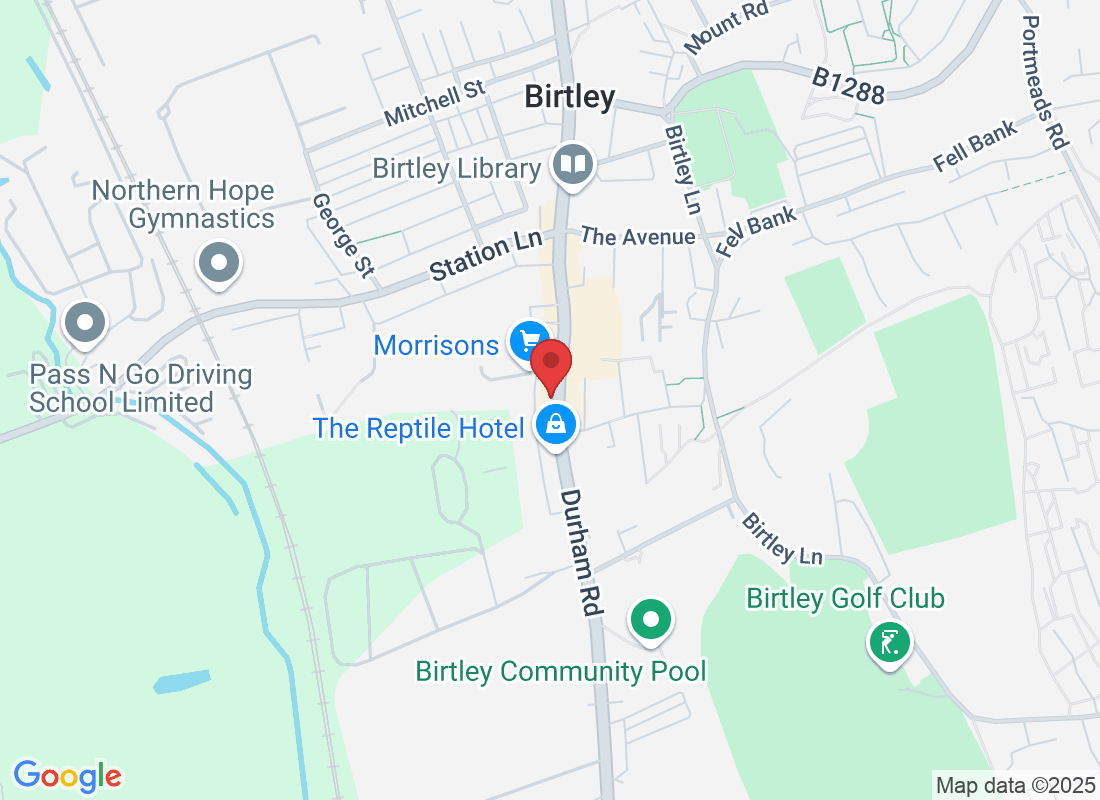
At Birtley Foot Clinic, located in Birtley, Gateshead, we often receive inquiries about common foot conditions, one of which is hammer toe. This condition can affect mobility and cause discomfort. In this post, we will address frequently asked questions about hammer toes, offering evidence-based information to help you understand this condition and its management.
What is a Hammer Toe?
A hammer toe is a deformity in which the toe bends down at the middle joint, causing it to resemble a hammer. This condition typically affects the second, third, or fourth toes and may develop due to imbalances in the muscles, tendons, or ligaments that stabilize the toe. Hammer toes can be flexible at first but may become rigid over time if left untreated.
What Causes Hammer Toes?
Several factors may contribute to the development of hammer toes, including:
- Improper Footwear: Tight, narrow shoes that crowd the toes are a significant risk factor. High heels can exacerbate this issue.
- Genetics: A family history of foot disorders may increase the likelihood of developing hammer toes.
- Foot Abnormalities: Conditions such as flat feet, arthritis, or other structural abnormalities can lead to imbalances in toe mechanics.
- Muscle Imbalances: Weakness or tightness in the muscles of the foot can alter toe alignment.
How Can I Identify Hammer Toes?
Symptoms of hammer toes often include:
- Visible bending of the middle joint of the toe.
- Pain and discomfort, especially when wearing shoes.
- Formation of corns or calluses on the toe or the top of the foot.
- Restricted movement of the affected toe.
If you suspect you have hammer toes, it is advisable to consult with a podiatrist for an accurate diagnosis and treatment plan at Birtley Foot Clinic.
How Can I Treat Hammer Toes?
There are several treatment options available for hammer toes, which may vary based on the severity of the condition:
- Conservative Management:
- Wearing wider, more comfortable footwear to reduce pressure.
- Utilizing orthotic devices or insoles for proper foot alignment.
- Exercises to strengthen the surrounding muscles and increase flexibility.
- Padding and Taping: Using silicone pads or toe taping can help alleviate pressure and pain.
- Medications: Over-the-counter anti-inflammatory medications may reduce pain and swelling.
- Surgery: In severe cases where conservative methods fail to provide relief, surgical options to correct the toe position may be considered. This typically involves tendon releases or bone realignment.
Can Hammer Toes Be Prevented?
Preventing hammer toes involves early intervention and making conscious choices regarding foot health:
- Choose shoes that fit well: Look for shoes with a wide toe box and adequate arch support.
- Engage in foot exercises: Regular stretching and strengthening exercises can maintain flexibility and balance in the foot.
- Maintain a healthy weight: Extra weight can put additional stress on the foot structures. Staying active and maintaining a healthy body weight is beneficial.
When Should I See a Podiatrist?
It is essential to contact a foot specialist if:
- You experience persistent pain or discomfort in your toes.
- Your position or the severity of the toe deformity worsens.
- Home treatment options do not alleviate symptoms.
At Birtley Foot Clinic, we provide comprehensive foot care and can help manage hammer toe effectively.
Frequently Asked Questions (FAQs)
1. What are the common symptoms of hammer toe?
Common symptoms include a visible bend in the toe, pain in the toe joint, and the formation of corns or calluses.
2. Can hammer toes occur in children?
Yes, hammer toes can occur in children, often due to developmental factors or incorrect footwear.
3. Are hammer toes a serious condition?
While hammer toes are not usually considered serious, they can lead to pain and complications if not treated promptly.
4. Is surgery for hammer toes safe?
Surgery is typically safe and effective, though as with any procedure, risks should be discussed with your podiatrist.
5. What types of exercises can help with hammer toes?
Exercises such as toe curls, picking up small objects with the toes, and stretching can improve strength and flexibility in the toes.
Conclusion
Hammer toes can significantly impact your quality of life, but with the right knowledge and treatment, relief is possible. If you are experiencing symptoms or have any questions about this condition, don't hesitate to reach out to us at Birtley Foot Clinic in Birtley, Gateshead. Our dedicated team is here to assist you in achieving healthier feet. Book your appointment today.