
Freezing vs. Needling: Verruca Treatments at Birtley Foot Clinic
Understanding Verrucas
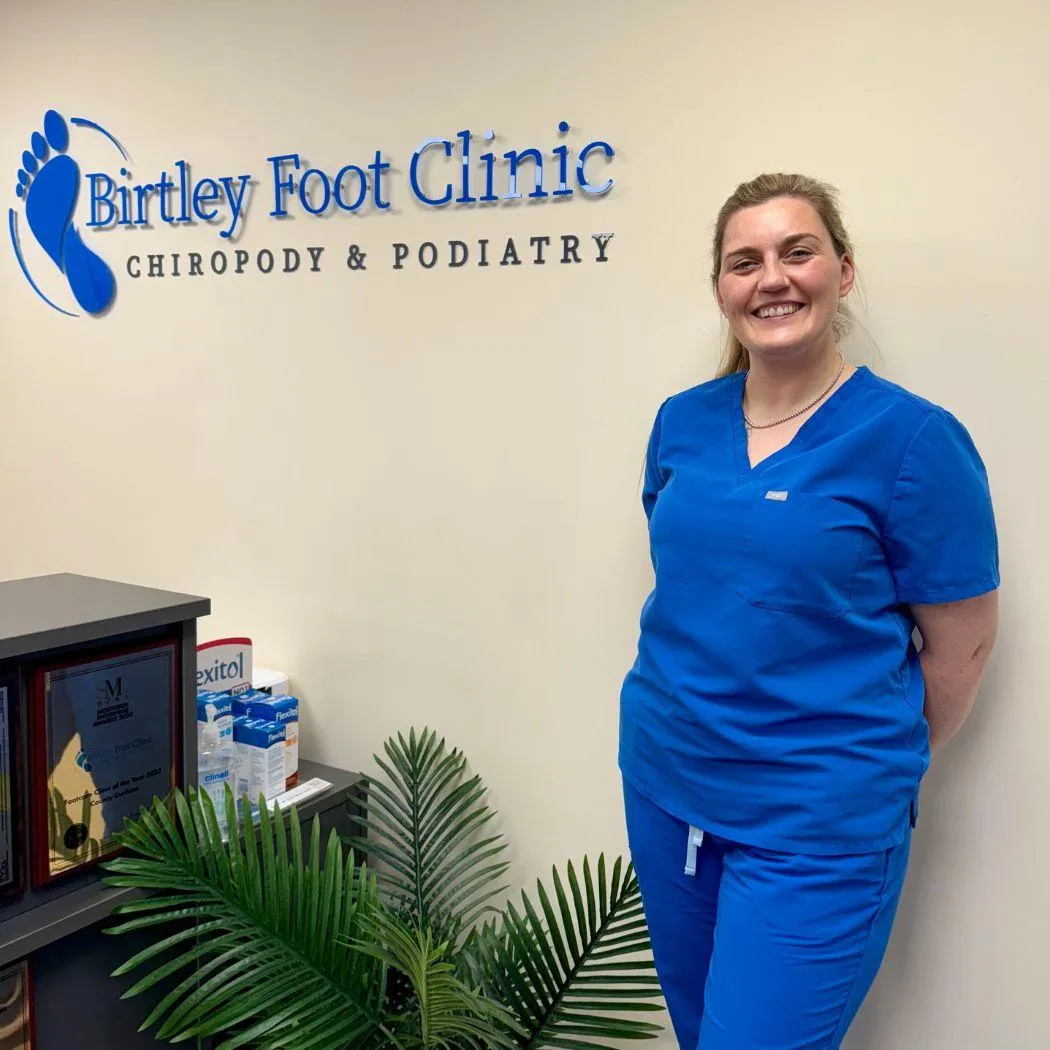
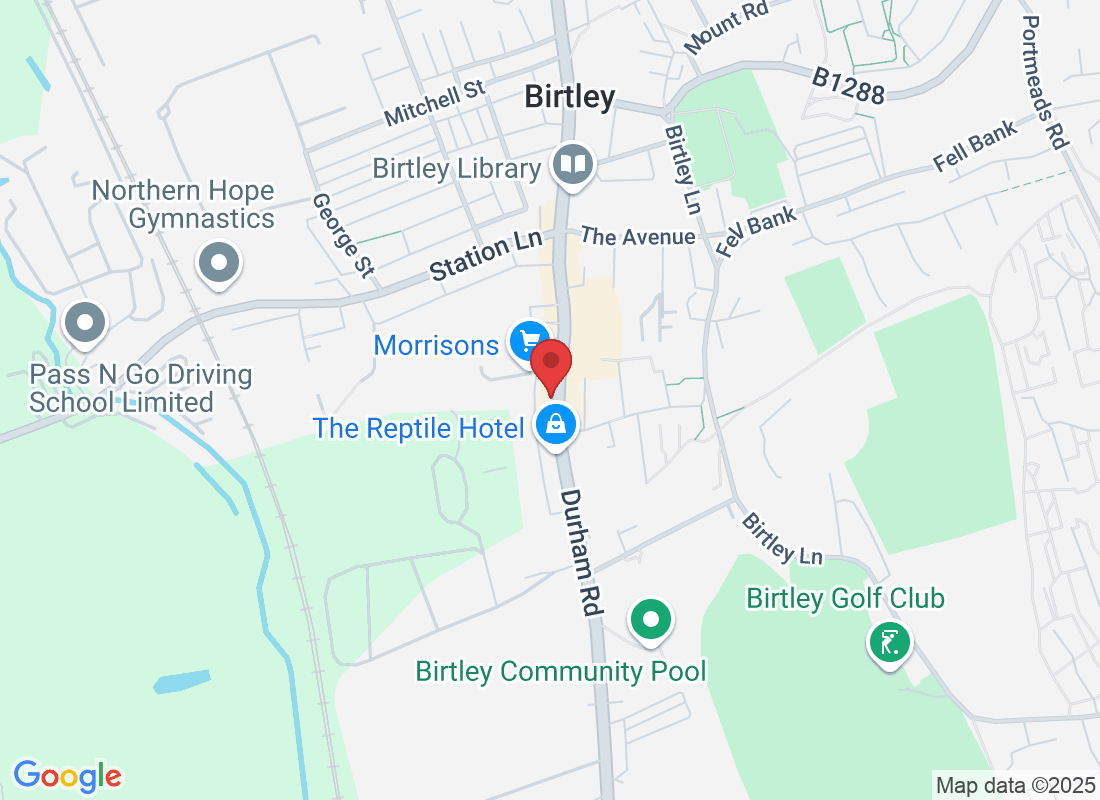
Verrucas, also known as plantar warts, are benign growths on the sole of the foot caused by the human papillomavirus (HPV). Commonly found on weight-bearing areas, they can result in discomfort, pain, and changes in walking patterns if left untreated. At Birtley Foot Clinic in Birtley, Gateshead, we aim to provide comprehensive care to effectively manage and treat these conditions.
What Causes Verrucas?
Verrucas are caused by a viral infection of the skin, predominantly from direct contact with the virus. Factors that increase the risk of contracting verrucas include:
- Walking barefoot in communal areas such as swimming pools
- Weakened immune systems
- Cuts or abrasions on the skin
- Sharing personal items like towels or shoes
How Can I Treat Verrucas?
Treatment options for verrucas may vary based on their severity and patient preference. Among the most common methods are freezing (cryotherapy) and needling (percutaneous therapy). Here, we explore both options.
Freezing Treatment (Cryotherapy)
Cryotherapy is a widely used method for treating verrucas. It utilizes liquid nitrogen to freeze the wart tissue, causing it to die and eventually fall off. This method is popular for its efficacy and rapid results.
Benefits of Freezing
- Quick procedure (usually within minutes)
- Minimal discomfort for most patients
- No need for anaesthetic in most cases
Potential Side Effects
- Temporary blistering
- Pain at the treatment site
- Skin discolouration
Needling Treatment (Percutaneous Therapy)
Needling involves the physical removal of the verruca using a fine needle. This method targets the core of the verruca, allowing for direct treatment and often inducing an immune response to the HPV virus.
Benefits of Needling
- High success rate for stubborn verrucas
- Can be performed under local anaesthetic
- May also stimulate the immune system effectively
Potential Discomfort
- Post-treatment pain and sensitivity
- Possibility of minor bleeding
- Risk of infection if not properly cared for
Which Treatment is Right for You?
The choice between freezing and needling depends on several factors, including:
- The size and location of the verruca
- Previous treatment success or failure
- Your comfort with the procedure
- Any underlying health conditions
Consulting with a podiatrist at Birtley Foot Clinic can help determine the best approach tailored to your specific needs. Our expert team is dedicated to providing effective and patient-centered care.
Frequently Asked Questions
1. How long does each treatment take?
Both freezing and needling treatments typically take only a few minutes, but the overall appointment time may vary based on assessments and post-treatment care.
2. Are these treatments painful?
Freezing is usually well-tolerated with minimal discomfort, while needling may cause some pain, though it is often performed with local anaesthetic to reduce sensations.
3. How many sessions will I need?
This varies by individual. Some patients may require a single session, while others may need multiple treatments to ensure complete removal of the verruca.
4. Can I try home remedies instead?
While some home remedies exist, they often lack scientific support and may lead to prolonged discomfort or recurrence. Professional treatment is generally recommended for effective results.
5. What aftercare is needed post-treatment?
Post-treatment care typically involves keeping the area clean, avoiding tight footwear, and monitoring for any signs of infection or complications. Detailed aftercare instructions will be provided at the clinic.
Conclusion
At Birtley Foot Clinic, we understand the impact verrucas can have on your daily life. Our experienced podiatrists in Birtley, Gateshead are here to help you choose the most effective treatment method, whether it be freezing or needling. Book your appointment today for expert evaluation and care.