Can Cracked Heels Bleed? When Dry Skin Becomes a Health Risk (Gateshead Podiatrist Insight)
Understanding Cracked Heels: An Overview
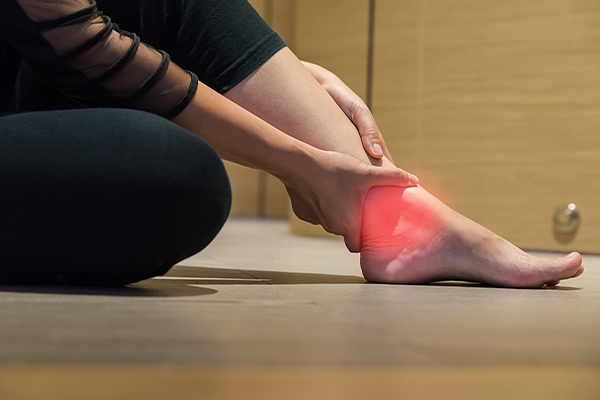
At Birtley Foot Clinic in Birtley, Gateshead, we often see patients presenting with cracked heels, a common condition that can sometimes lead to more serious issues. Cracked heels occur when the skin on the heel becomes excessively dry and thickened. Although this may seem like a minor cosmetic problem, it can escalate into a health risk if not addressed promptly. One of the most concerning symptoms of severe cases is bleeding.
What Causes Cracked Heels?
Cracked heels can arise from various factors, including:
- Dry Skin: The most prevalent cause, often exacerbated by temperature changes or lack of moisture.
- Pressure and Weight: Overweight individuals or those who spend prolonged periods standing may experience increased pressure on the heels, leading to cracks.
- Footwear Choices: Wearing shoes that lack proper support or fail to cushion the heel can contribute to skin hardening and cracking.
- Medical Conditions: Conditions such as diabetes, psoriasis, and eczema can significantly worsen skin health and lead to cracked heels.
- Environmental Factors: Dry climates and low humidity can dehydrate the skin, making it more susceptible to cracking.
Can Cracked Heels Bleed?
Yes, cracked heels can bleed. When the skin becomes too dry and fissured, these cracks can deepen to the point where they break open, allowing blood to escape. This bleeding is not just uncomfortable; it can lead to complications such as:
- Infection: Open cracks can serve as entry points for bacteria and fungi, potentially leading to serious infections.
- Pain: Bleeding and deep fissures can cause considerable discomfort, making it challenging to walk or stand.
- Delayed Healing: When wounds are present, healing may take longer and may require medical intervention.
How to Treat Cracked Heels
Treating cracked heels is essential for preventing bleeding and other complications. Here are some effective strategies:
- Moisturize Regularly: Use a thick foot cream, preferably with ingredients like urea, glycerin, or shea butter, to keep the skin hydrated.
- Exfoliate: Regularly remove thickened skin with a pumice stone or foot file, especially after soaking your feet.
- Choose the Right Footwear: Wear well-fitting shoes with cushioned soles to reduce pressure on the heels.
- Stay Hydrated: Drink plenty of water to support your skin's hydration from the inside out.
- Use Protective Solutions: Consider sealants or barrier creams that can help protect the skin from the environment while retaining moisture.
When to See a Podiatrist
If you notice that your cracked heels are bleeding, becoming painful, or not improving with at-home care, it is crucial to consult a podiatrist. At Birtley Foot Clinic, our experienced team can assess the severity of your condition and provide targeted treatments, which may include:
- Professional Debridement: Safely removing dead skin to promote healing.
- Custom Orthotics: Providing additional support and pressure relief with tailored footwear solutions.
- Prescription Creams: Using medicated ointments to treat infections or accelerate healing.
Frequently Asked Questions (FAQ)
1. How can I prevent cracked heels?
Moisturize regularly, wear supportive footwear, and maintain a healthy weight to reduce stress on your feet.
2. Are there any DIY treatments for cracked heels?
Yes, at-home treatments can include foot soaks, thick creams, and exfoliation techniques, but persistent issues may require professional care.
3. What should I do if my cracked heels become infected?
If you suspect an infection, characterized by increased redness, swelling, or discharge, seek prompt medical attention from a podiatrist.
4. Is it normal for cracked heels to bleed?
No, bleeding indicates a severe condition and should be treated as a medical concern. Consult a podiatrist for evaluation.
5. Can cracked heels indicate a larger health issue?
Yes, underlying conditions like diabetes or eczema can contribute to cracked heels; addressing these underlying issues is crucial for effective treatment.
Conclusion
Cracked heels, if left untreated, can certainly pose a risk to your overall foot health, including painful bleeding and potential infections. At Birtley Foot Clinic in Birtley, Gateshead, we prioritize patient education and effective treatment options to help you maintain healthy feet. If you're facing complications from cracked heels, don't hesitate to book an appointment with our skilled professionals today!