What Causes Heel Pain After Rest?
What Causes Heel Pain After Rest?
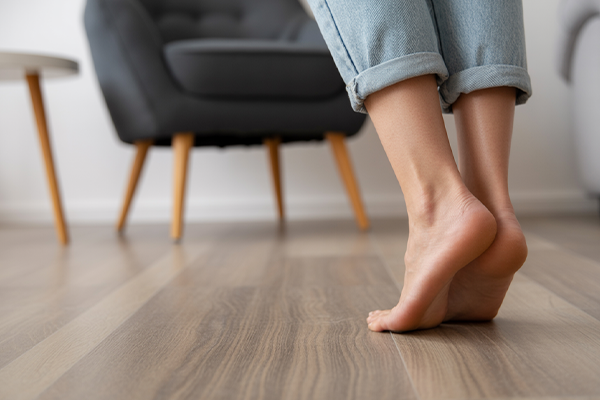
Heel pain is a common complaint that many individuals experience, particularly after periods of inactivity. At Birtley Foot Clinic, located in Birtley, Gateshead, we understand that heel pain can significantly impact your daily life. This article will delve into the various causes of heel pain after rest, helping you understand what may be happening and how to address it effectively.
What Are the Common Causes of Heel Pain After Rest?
Heel pain following rest can stem from various conditions, primarily affecting the soft tissues and bones in your foot. Some of the most prevalent causes include:
- Plantar Fasciitis: This condition arises from inflammation of the plantar fascia, a thick band of tissue that runs across the bottom of your foot. It often causes sharp pain in the heel, especially after resting.
- Achilles Tendinitis: Inflammation of the Achilles tendon can lead to pain in the heel area, particularly after prolonged periods of sitting or lying down.
- Heel Spurs: These bony outgrowths on the heel bone can cause pain if they are associated with plantar fasciitis or other conditions.
- Bursitis: Inflammation of the bursa (a fluid-filled sac) in the heel can cause localized pain, especially after periods of rest.
- Stress Fractures: Tiny cracks in the heel bone, often due to repetitive stress or overuse, may result in pain that is felt more intensely after rest.
Why Does Heel Pain Occur After Sitting or Lying Down?
When you rest, your muscles, ligaments, and tendons relax, which can temporarily alleviate pain. However, upon resuming activity, stiffness may be present, leading to discomfort. For example, the plantar fascia can tighten during periods of immobility, causing immediate soreness when you first put weight on your foot.
What Other Factors Contribute to Heel Pain?
Several lifestyle and biomechanical factors can exacerbate heel pain:
- Obesity: Excess weight increases strain on the foot, which can contribute to various foot conditions and heightened heel pain.
- Foot Structure: High arches or flat feet can put additional strain on the plantar fascia, leading to pain after rest.
- Improper Footwear: Shoes that do not provide adequate support or cushioning can worsen heel pain, particularly for those with pre-existing conditions.
- Age: As we age, the fat padding on the heel diminishes, leading to an increased risk of pain due to various foot conditions.
How Can I Treat Heel Pain After Rest?
Treatment for heel pain often depends on the underlying cause, but several general strategies can provide relief:
- Rest and Ice: Taking a break from activities that aggravate your heel and applying ice can reduce inflammation.
- Stretching Exercises: Gentle stretching of the calf muscles and plantar fascia can improve flexibility and reduce pain.
- Orthotics: Custom or over-the-counter insoles can provide additional support and cushioning for your feet.
- Pain Relief Medications: Over-the-counter anti-inflammatories (such as ibuprofen) may help alleviate pain and swelling.
- Physical Therapy: A physical therapist can develop a tailored exercise program to strengthen the muscles around your foot.
When Should I See a Podiatrist?
If heel pain persists despite conservative treatment, it is essential to consult a podiatrist. Symptoms that warrant professional evaluation include:
- Severe pain that limits daily activities.
- Swelling or redness around the heel.
- Pain that does not improve with rest.
- Difficulty walking or bearing weight on the foot.
FAQ About Heel Pain
1. What should I do if I wake up with heel pain?
Try gentle stretching exercises before getting out of bed. Applying ice and taking over-the-counter pain relief can also help.
2. Can heel pain affect my daily activities?
Yes, heel pain can significantly hinder your ability to walk, run, or stand comfortably, impacting your daily life.
3. Is it safe to continue exercising with heel pain?
It depends on the severity of your pain. Low-impact activities might be safer, but consult with a podiatrist for personalized advice.
4. Can orthotics help with my heel pain?
Yes, orthotics can provide additional support and alleviate pressure on the heel, potentially reducing pain.
5. How long does it typically take to recover from heel pain?
Recovery time varies based on the underlying cause and treatment approach, ranging from a few weeks to several months.
Conclusion
Understanding the causes of heel pain after rest is crucial for effective management and treatment. If you are experiencing persistent heel pain, the team at Birtley Foot Clinic in Birtley, Gateshead, is here to help. We can provide a thorough assessment and develop a tailored treatment plan to alleviate your discomfort. Book an appointment today and take the first step toward a pain-free future.