
The Basics of Good Foot Hygiene
The Importance of Foot Hygiene
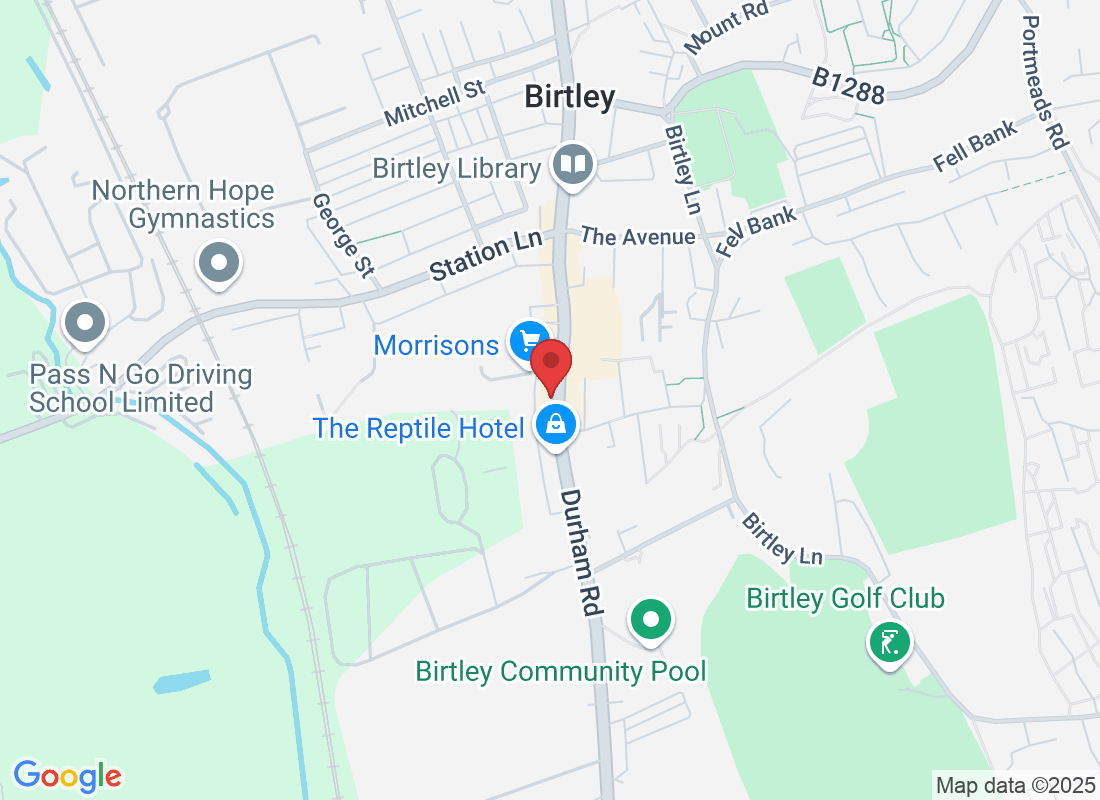
Welcome to the Birtley Foot Clinic in Birtley, Gateshead. Maintaining good foot hygiene is essential for overall foot health, preventing various podiatric conditions, and promoting comfort. In this blog post, we will cover the basics of good foot hygiene, the common foot problems related to poor hygiene, and practical steps you can take to care for your feet effectively.
What Causes Poor Foot Hygiene?
Several factors can contribute to poor foot hygiene, including:
- Inadequate washing of the feet, leading to the accumulation of dirt and bacteria.
- Excessive moisture, which creates a breeding ground for fungi and bacteria.
- Improper nail care, risking ingrown toenails and fungal infections.
- Wearing ill-fitting or damp footwear that does not allow for proper ventilation.
- Neglecting to regularly inspect feet for cuts, blisters, or other abnormalities.
How Can I Maintain Good Foot Hygiene?
Maintaining good foot hygiene is simple and can significantly reduce the risk of developing foot-related issues. Here are essential tips:
1. Wash Your Feet Daily
Use lukewarm water and mild soap to wash your feet daily. Be sure to clean between the toes and dry your feet thoroughly with a clean towel afterward, as moisture trapped between the toes can lead to fungal infections like athlete's foot.
2. Keep Your Feet Dry
After washing, ensure your feet are thoroughly dried. Consider using foot powder, especially if you are prone to sweating, to keep your feet dry and free from moisture.
3. Trim Your Toenails Properly
Trimming your toenails straight across can help prevent ingrown toenails. Avoid cutting them too short or rounding the edges, as this can lead to painful conditions.
4. Choose Appropriate Footwear
Always opt for well-fitting, breathable shoes. Shoes made from natural materials allow better airflow and help in moisture management. Avoid wearing the same pair of shoes every day to allow them to dry out properly.
5. Inspect Your Feet Regularly
Check your feet daily for cuts, blisters, or any changes. If you have conditions such as diabetes, it is especially crucial to monitor your feet, as you might not feel injuries due to nerve damage.
What are Common Foot Conditions Linked to Poor Foot Hygiene?
Poor foot hygiene can lead to several podiatric conditions, including:
- Athlete's Foot: A fungal infection that thrives in warm, damp environments.
- Bacterial Infections: Cuts and breaks in the skin can become infected if not properly cared for.
- Ingrown Toenails: Often caused by improper trimming or tight footwear.
- Blisters: Friction from ill-fitting shoes or moisture can lead to painful blisters.
- Foot Odor: Often the result of sweat build-up, bacteria growth, and poor ventilation.
How Can I Treat Common Foot Conditions?
If you develop foot conditions associated with poor hygiene, consider the following treatment options:
- Athlete's Foot: Over-the-counter antifungal creams can be effective. However, persistent cases may require prescription medication.
- Bacterial Infections: Consult with a podiatrist for suitable antibiotics or topical treatments.
- Ingrown Toenails: In mild cases, soaking the foot may help. However, surgical intervention may be necessary for severe cases.
- Blisters: Clean any broken blisters and protect them with a sterile bandage.
- Foot Odor: Improving hygiene practices, changing socks regularly, and using foot powders can help manage odor.
When Should I See a Podiatrist?
If you experience persistent foot pain, discomfort, or notice any skin changes, it is important to see a podiatrist at the Birtley Foot Clinic in Birtley, Gateshead. Our experienced team can conduct a thorough examination and provide personalized treatment plans to enhance your foot health.
FAQ
1. How often should I wash my feet?
It is recommended to wash your feet daily, especially if you are active or prone to foot odor.
2. Can poor foot hygiene lead to serious health problems?
Yes, neglecting foot hygiene can lead to infections, chronic pain, and complications related to systemic issues like diabetes.
3. What should I do if I notice foot pain?
If you notice persistent foot pain, it’s best to consult a podiatrist for a proper evaluation and treatment.
4. How can I prevent athlete's foot?
Keep your feet clean and dry, use moisture-wicking socks, and avoid walking barefoot in public areas.
5. Are there specific foot care recommendations for diabetics?
Diabetics should regularly inspect their feet, maintain proper hygiene, and consult with a podiatrist for specialized care.
Conclusion
Good foot hygiene is essential for maintaining healthy, pain-free feet. By applying the tips outlined above, you can significantly reduce your risk of common foot conditions and improve your overall foot health. If you have concerns or need further assistance, consider visiting the Birtley Foot Clinic in Birtley, Gateshead, where our dedicated team is ready to help. Book your appointment today!