
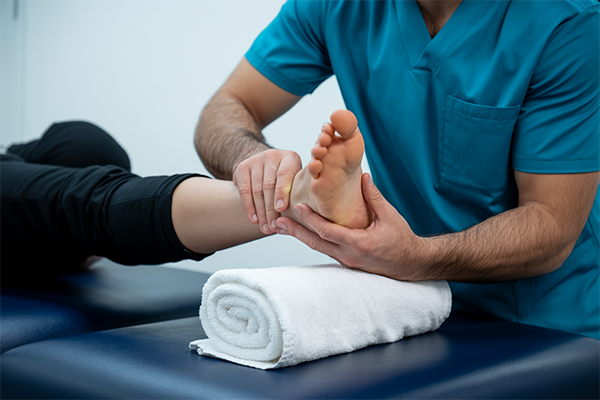
5 Things Making Your Plantar Fasciitis Worse (Gateshead Advice)
Understanding Plantar Fasciitis
Plantar fasciitis is a common condition that causes heel pain due to inflammation of the plantar fascia—a thick band of tissue that runs across the bottom of your foot. At Birtley Foot Clinic in Birtley, Gateshead, we often see patients who are struggling with plantar fasciitis. Understanding what may be exacerbating your condition can help you manage pain and improve your quality of life. Below are five common factors that could be making your plantar fasciitis worse.
1. Inappropriate Footwear
One of the leading causes of aggravating plantar fasciitis is wearing improper shoes. Footwear that lacks arch support or cushioning can put extra stress on your heel and plantar fascia. High heels, flip-flops, and worn-out shoes can contribute to your discomfort. Investing in supportive shoes designed specifically for your foot type is crucial.
What to Look for in Footwear
- Arch Support: Look for shoes that provide adequate arch support to reduce pressure on the plantar fascia.
- Cushioning: Opt for shoes with good cushioning to absorb shock with each step.
- Proper Fit: Ensure your shoes fit well, allowing only a thumb's width of space at the front.
2. Being Overweight
Excess body weight can increase the strain on your plantar fascia. Every extra pound puts more pressure on your heels, which can worsen inflammation and pain. Weight management through a balanced diet and regular exercise can greatly alleviate symptoms of plantar fasciitis.
How to Manage Weight
- Consult with a healthcare provider or dietitian for a personalized eating plan.
- Engage in low-impact exercises such as swimming or cycling to minimize strain on your feet.
- Practice stretching and strength-building exercises to support overall foot health.
3. Excessive High-Impact Activities
Activities such as running, jumping, or extensive walking on hard surfaces can contribute to plantar fasciitis pain. If you are involved in high-impact sports or activities without proper support or rest, you may be exacerbating the condition.
Alternatives to High-Impact Activities
- Consider low-impact exercises like swimming or cycling.
- Incorporate strength training for muscle support.
- Allow adequate rest days in your workout routine to promote healing.
4. Untreated Foot Conditions
Pre-existing foot conditions such as flat feet, high arches, or Achilles tendonitis can worsen plantar fasciitis symptoms. These conditions affect the biomechanics of your feet, causing additional strain on the plantar fascia.
Managing Other Foot Conditions
- Consult with a podiatrist for a thorough evaluation of your foot structure.
- Consider custom orthotics that may provide better arch support and alignment.
- Engage in targeted physical therapy to improve foot mechanics.
5. Not Incorporating Stretching and Strengthening Exercises
Failing to perform specific stretching and strengthening exercises can lead to increased stiffness and weakness in the foot and calf muscles, which may aggravate plantar fasciitis. Regular stretching can improve flexibility and relieve tension on the plantar fascia.
Effective Stretching Techniques
- Calf stretches: Stand facing a wall with one leg in front, keeping both heels on the ground.
- Plantar fascia stretch: Sit with one leg crossed over the other, pulling your toes toward you to stretch the arch of your foot.
- Toe curls: Use your toes to pick up small marbles or a towel to strengthen the muscles in your feet.
Conclusion
Understanding what exacerbates your plantar fasciitis is essential for effective management and recovery. By addressing factors such as footwear, body weight, physical activity, and existing foot conditions, you can alleviate pain and improve your foot health. If you're experiencing persistent foot pain, don't hesitate to reach out for guidance. At Birtley Foot Clinic in Birtley, Gateshead, our experienced team is here to help you develop a tailored care plan.
Book your appointment today and take the first step toward relief!
Frequently Asked Questions (FAQ)
1. What are the early signs of plantar fasciitis?
The primary signs include stabbing heel pain, especially in the morning or after sitting for long periods, and increased discomfort after physical activity.
2. Can plantar fasciitis go away on its own?
In some cases, plantar fasciitis can resolve with proper rest and care, but persistent pain typically requires medical intervention.
3. How can physical therapy help my plantar fasciitis?
Physical therapy can provide targeted exercises to strengthen foot muscles, improve flexibility, and enhance biomechanical alignment.
4. Are there any home remedies for plantar fasciitis?
Ice application, rest, stretching exercises, and over-the-counter pain relievers may help alleviate symptoms at home.
5. When should I see a doctor for plantar fasciitis?
If you are experiencing heel pain that persists for more than a few weeks despite home care, it's time to consult a healthcare professional.